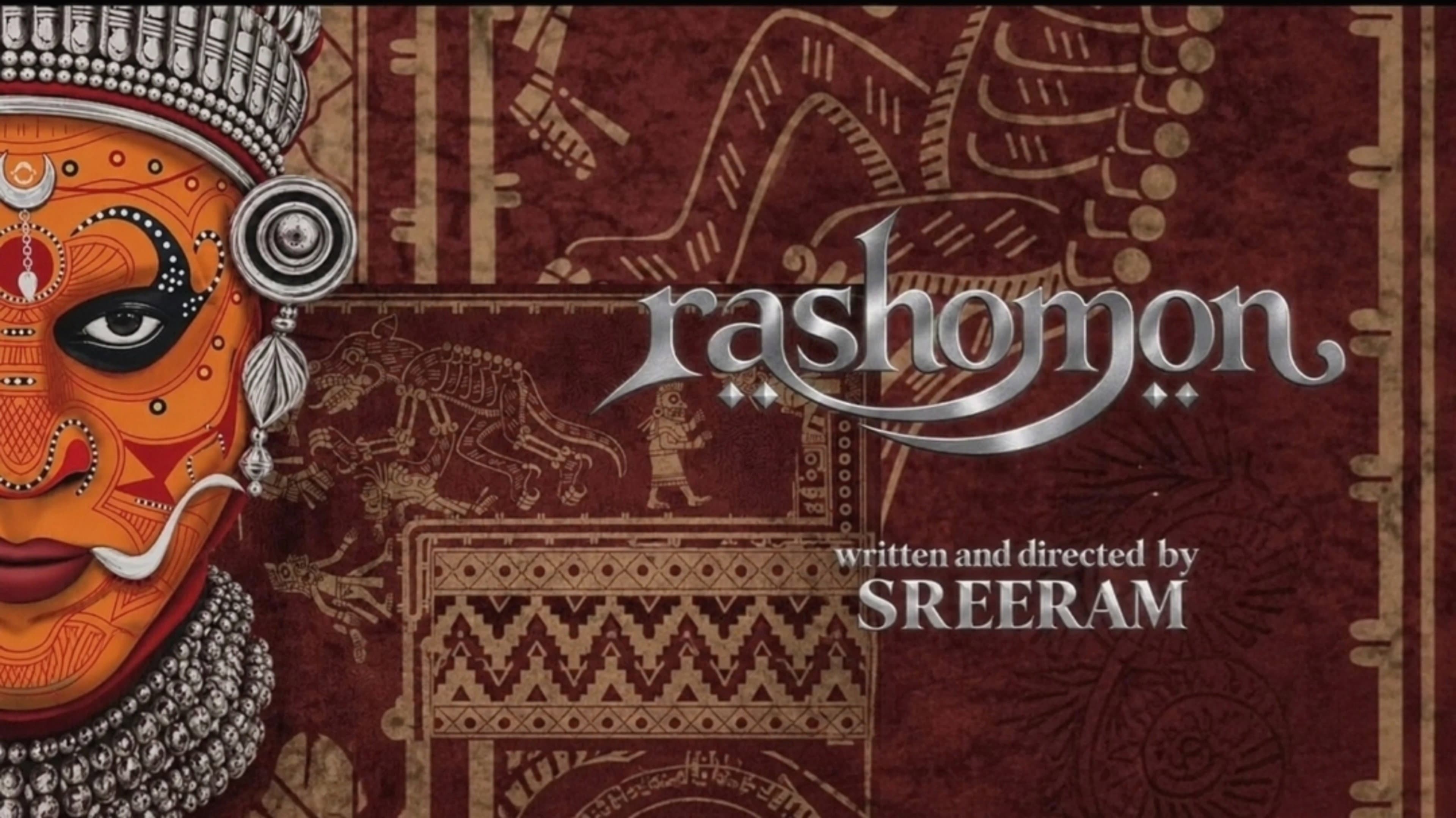
Seven minutes is barely enough time to boil water, let alone dismantle the very idea of truth. Yet that is precisely the ambition Ramabhadra Sreeram sets for himself in Rashomon, a Tamil-language experiment that arrived in theatres on September 17 this year with little fanfare and a title borrowed from perhaps the most famous meditation on perspective ever committed to celluloid. The film runs just seven minutes. It is classified as a drama. And it has spent the weeks since its release generating the kind of quiet, persistent chatter that rarely attaches itself to a short subject from Kollywood.
What Sreeram has built is not a retelling of Akira Kurosawa's landmark, nor a remake of the 1950 Tamil classic that Aravindan's predecessors in the industry still cite in reverent tones. Instead, Rashomon is described by its makers as an experimental collage-style compilation, one that braids fragmented personal viewpoints into the spine of a traditional narrative. The distinction matters. The film does not simply show us the same event from different angles; it composes those angles like torn pieces of paper pasted onto a single sheet, letting the seams remain visible. The audience is never permitted to forget that they are watching an assembly of accounts rather than an objective record.
The ensemble is compact, as the runtime demands. Ricky plays Saketh Ram, the figure around whom the competing accounts appear to orbit. Hemanth steps in as Rangachaari, a name that carries its own small echo of the theatrical tradition Tamil audiences know well. Vignesh Bharadwaj appears in a cameo, a brief presence that those who have followed the director's earlier work will recognise as something of a signature. The casting is lean by design. With seven minutes on the clock, every face has to do the work of a chapter.
Sreeram's approach to structure is where the film stakes its claim. The narrative does not unfold so much as accumulate. A detail offered in one fragment is contradicted by another; a gesture seen one way is reframed moments later; and the viewer is left holding several versions of a single moment without being told which one to trust. The collage technique extends beyond editing into the film's visual grammar, with tonal shifts and abrupt juxtapositions that mirror the instability of memory itself. It is the sort of filmmaking that treats the audience as a collaborator rather than a passenger, and it explains why the response has been so divided between those who find it exhilarating and those who find it deliberately withholding.
It should be said plainly that Rashomon has not been greeted with unanimous enthusiasm. Its TMDb rating currently sits at 0 out of 10, a figure that reflects how few viewers have logged the film at all rather than any meaningful critical consensus. A short, conceptually dense Tamil drama with no established stars in the lead rarely finds a wide audience in its opening weeks, and this one has followed that pattern. The conversation around it has instead taken root among festival programmers, film students, and the sort of viewers who seek out work that refuses to make things easy.
That a Tamil filmmaker is working in this register at all is worth noting. Kollywood has always contained multitudes, from mass entertainers to rigorously formalist experiments, but the short-form collage drama remains a rarity. Sreeram is operating in a space closer to gallery installation than to conventional cinema, and he seems untroubled by the small footprint his film is making. The title he chose invites the comparison, of course, and there is a certain confidence in reaching for it. But Rashomon does not lean on borrowed prestige. Its concerns are its own: the impossibility of a single account, the way self-interest bends recollection, and the stubborn human wish for a story that holds still.
Whether the film will find a second life on the festival circuit or remain a curio for completists is an open question. What is clear is that a seven-minute collage from a director willing to fragment the truth into pieces and hand them to the audience without glue is exactly the kind of small, strange object that keeps a film industry honest. Rashomon is not asking to be loved. It is asking to be looked at closely, and then looked at again, from somewhere else entirely.