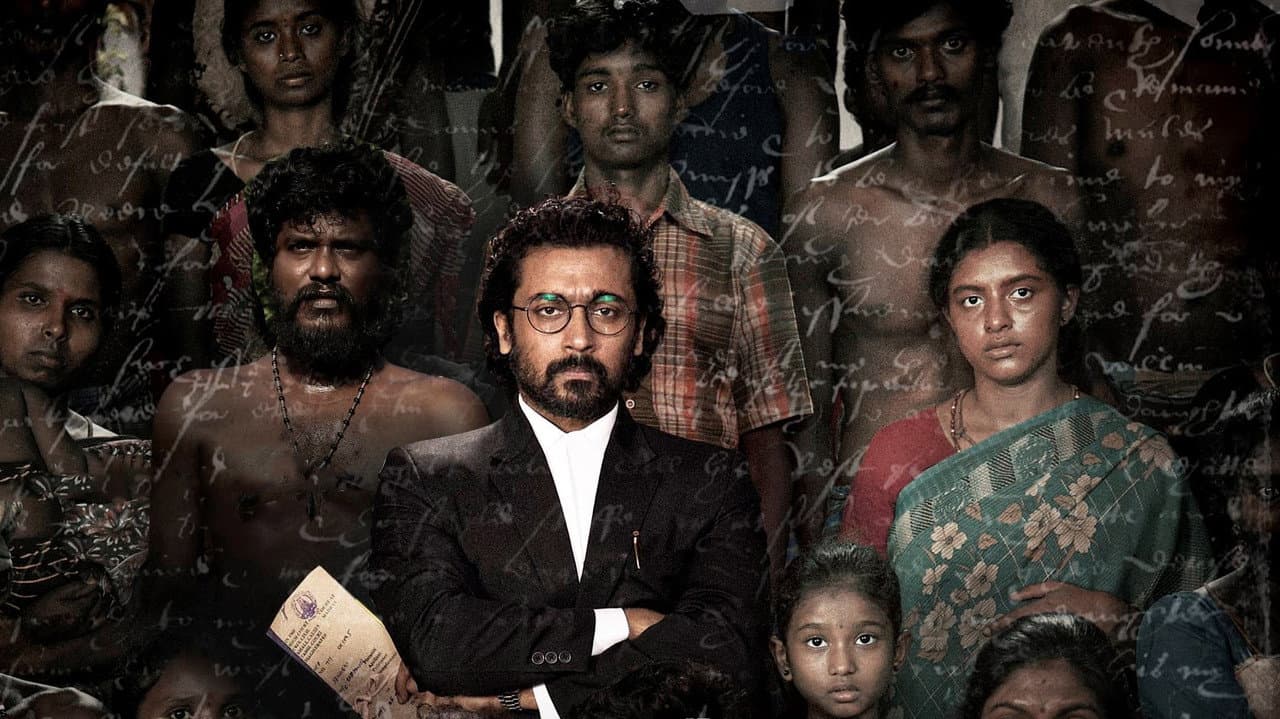
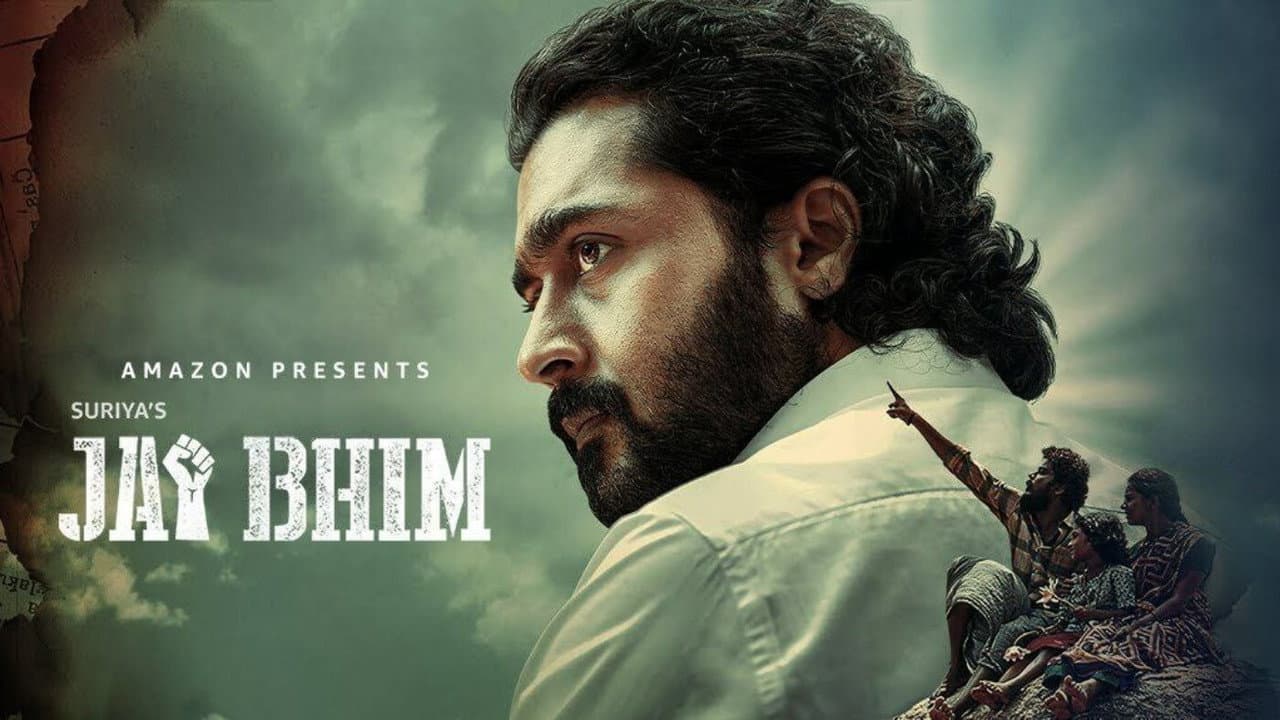
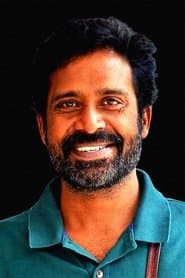
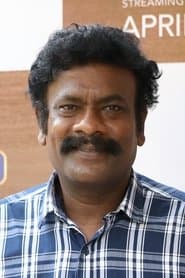
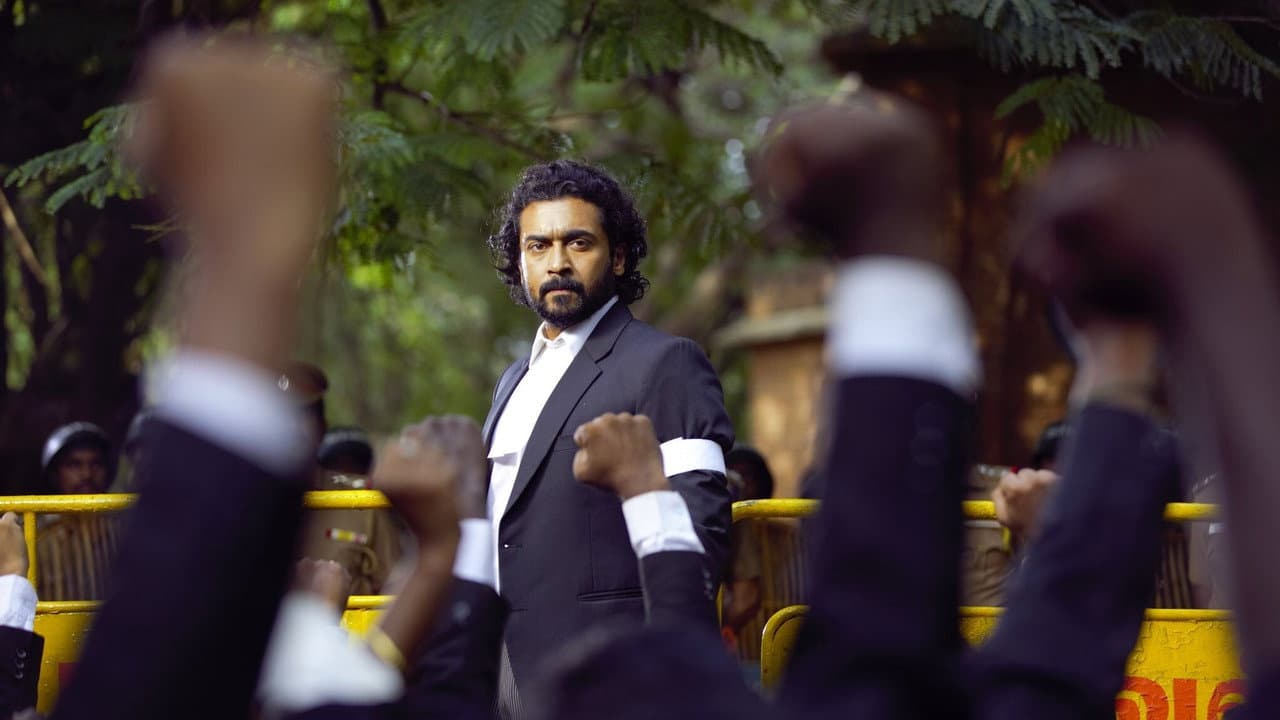
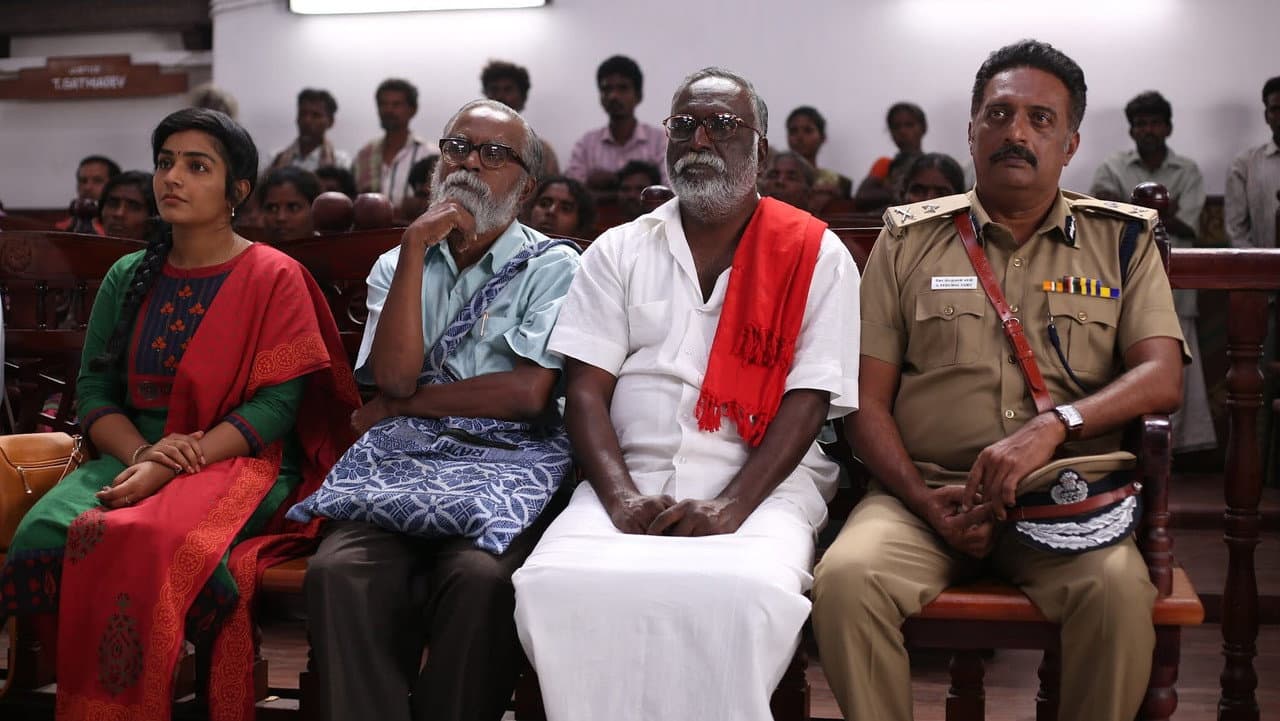
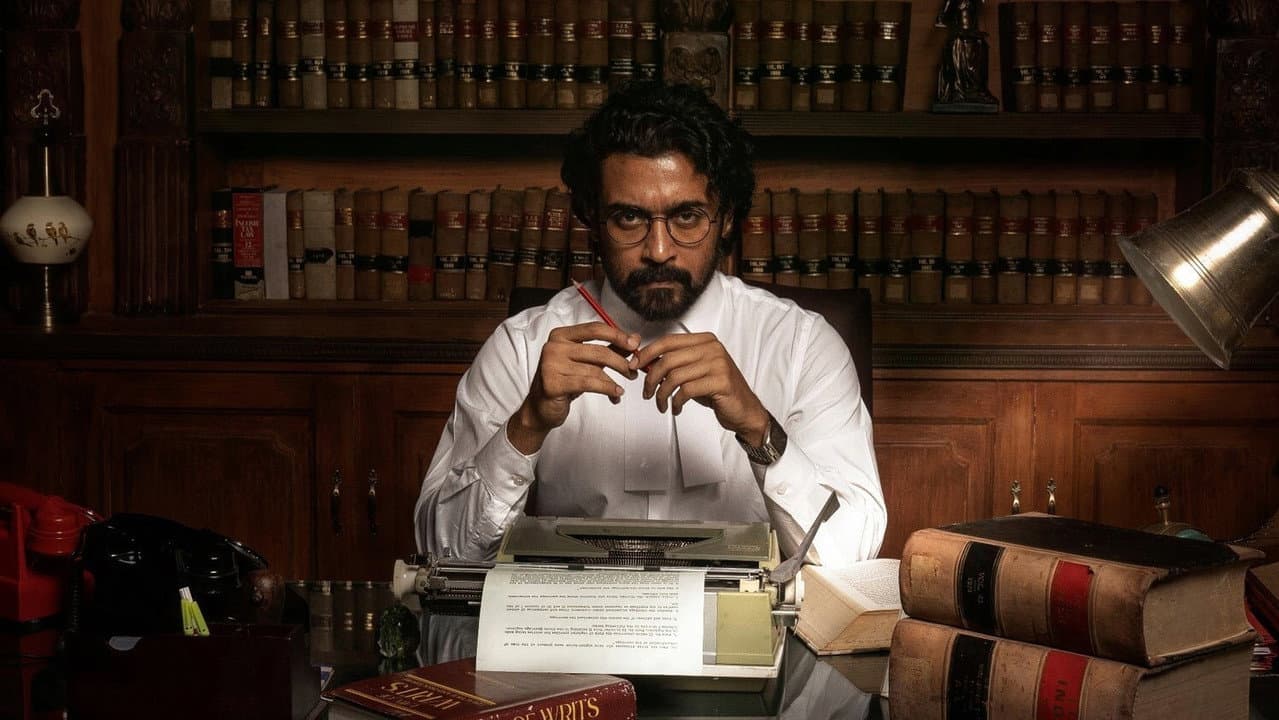
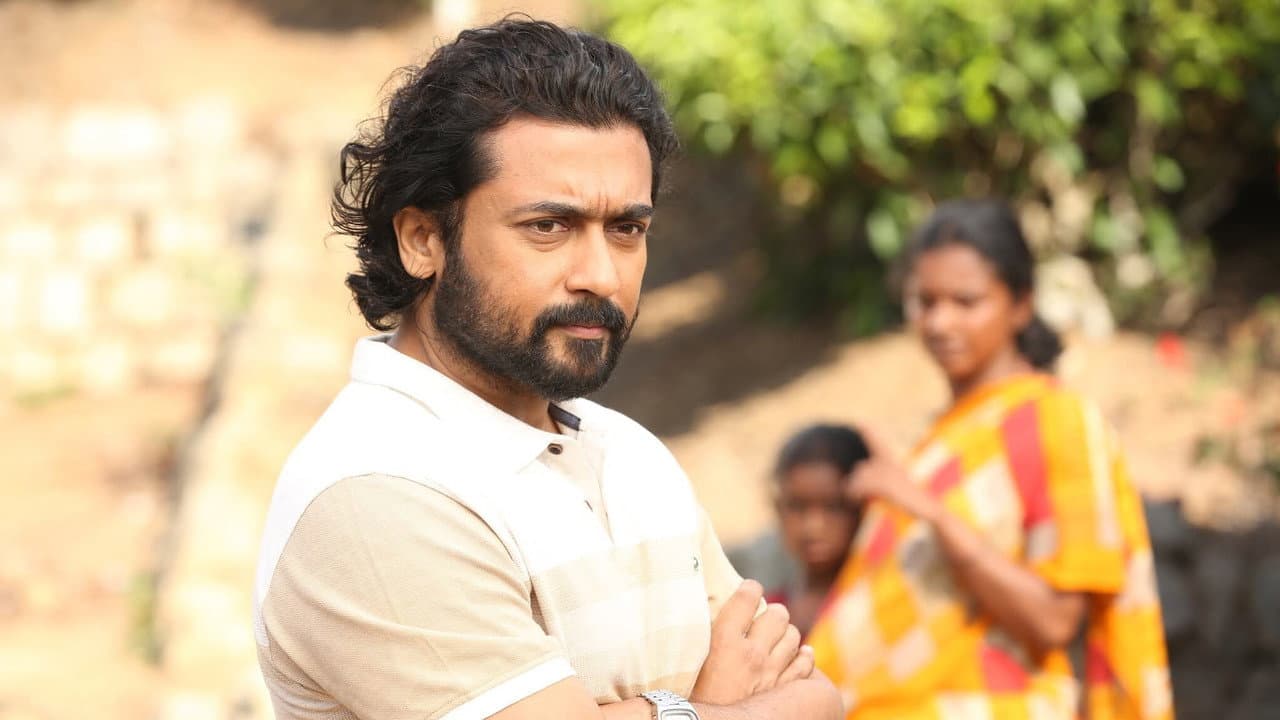
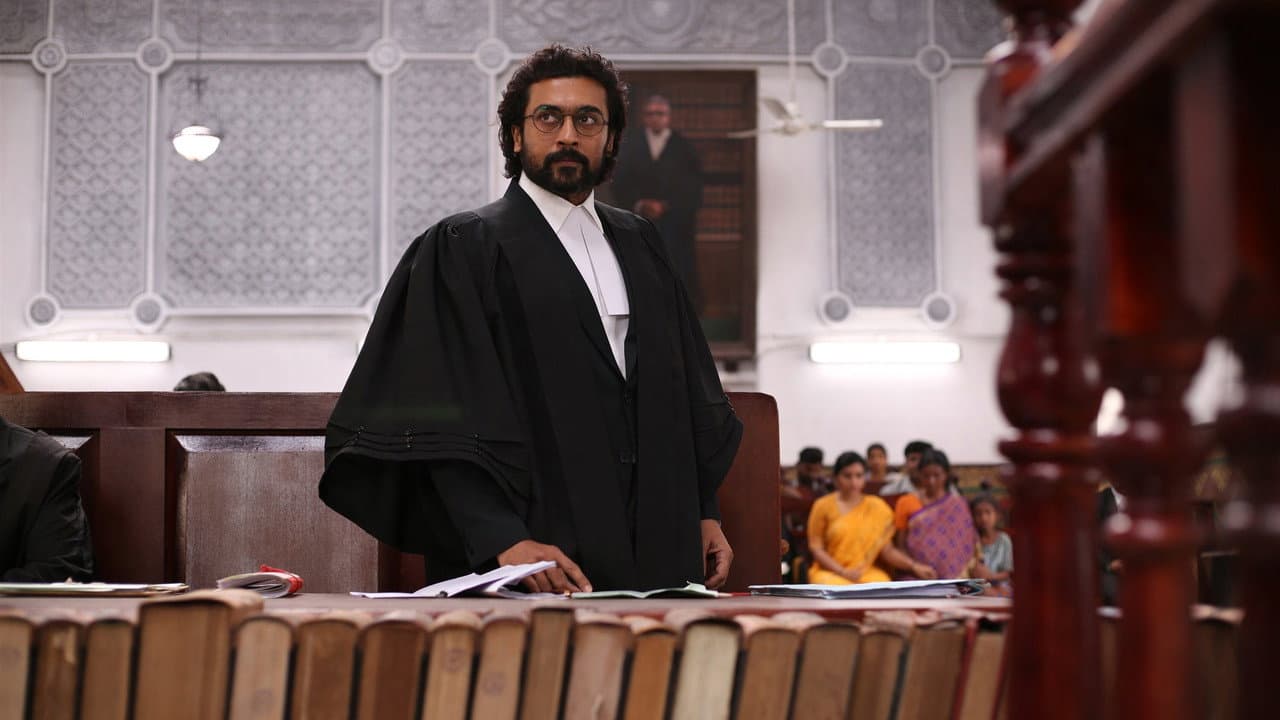
Director T. J. Gnanavel, a former journalist, brings an investigative rigor to "Jai Bhim" that elevates it above typical social-issue dramas. The screenplay, co-written by Gnanavel and R. S. Rajapandi, refuses to offer easy catharsis or simplistic heroes. Suriya's Chandru is not a saintly savior; he is a privileged man whose awakening is slow, painful, and incomplete. His vulnerability in the courtroom-where he falters, stammers, and sometimes fails-makes his eventual victories feel earned.
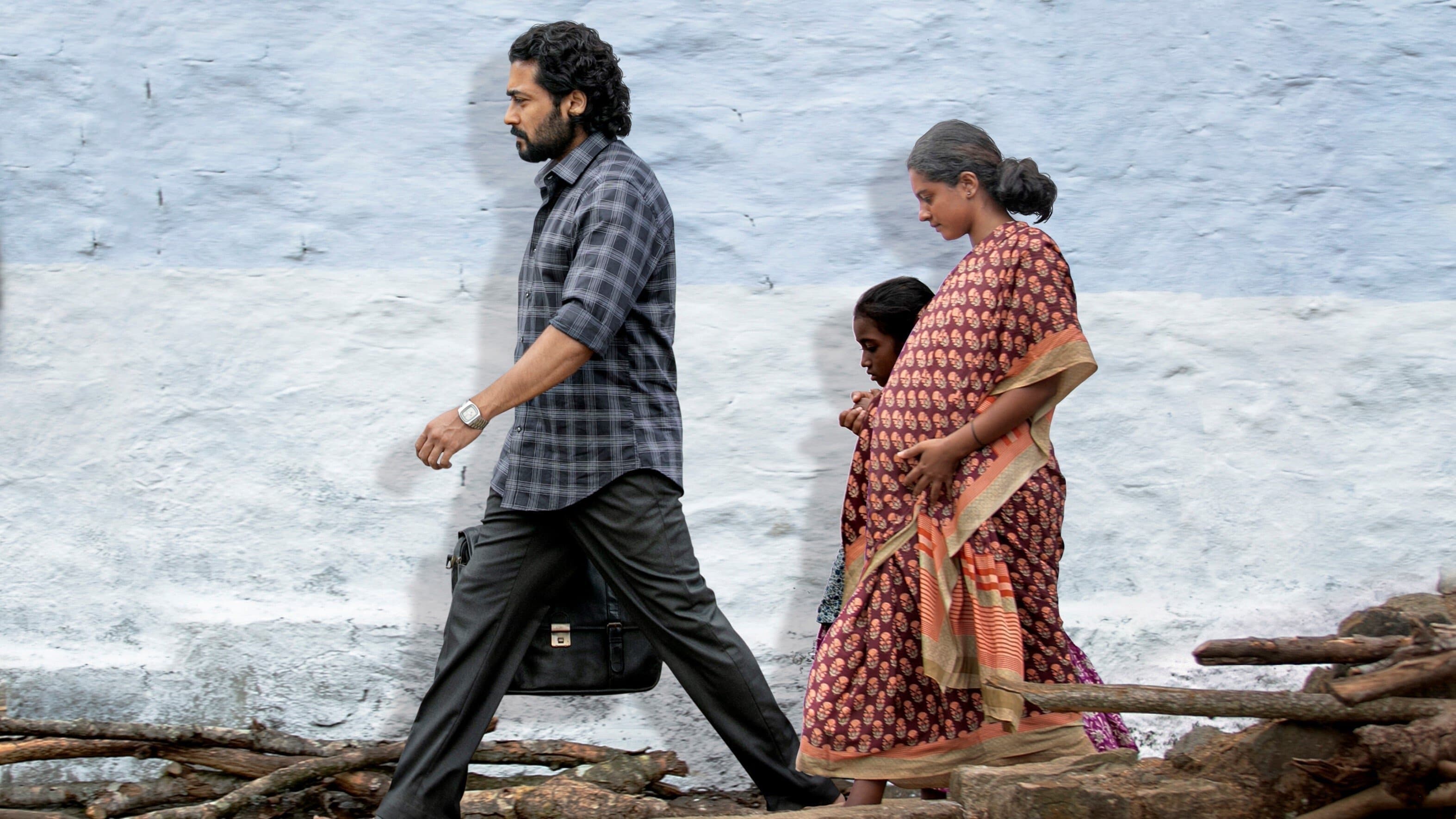
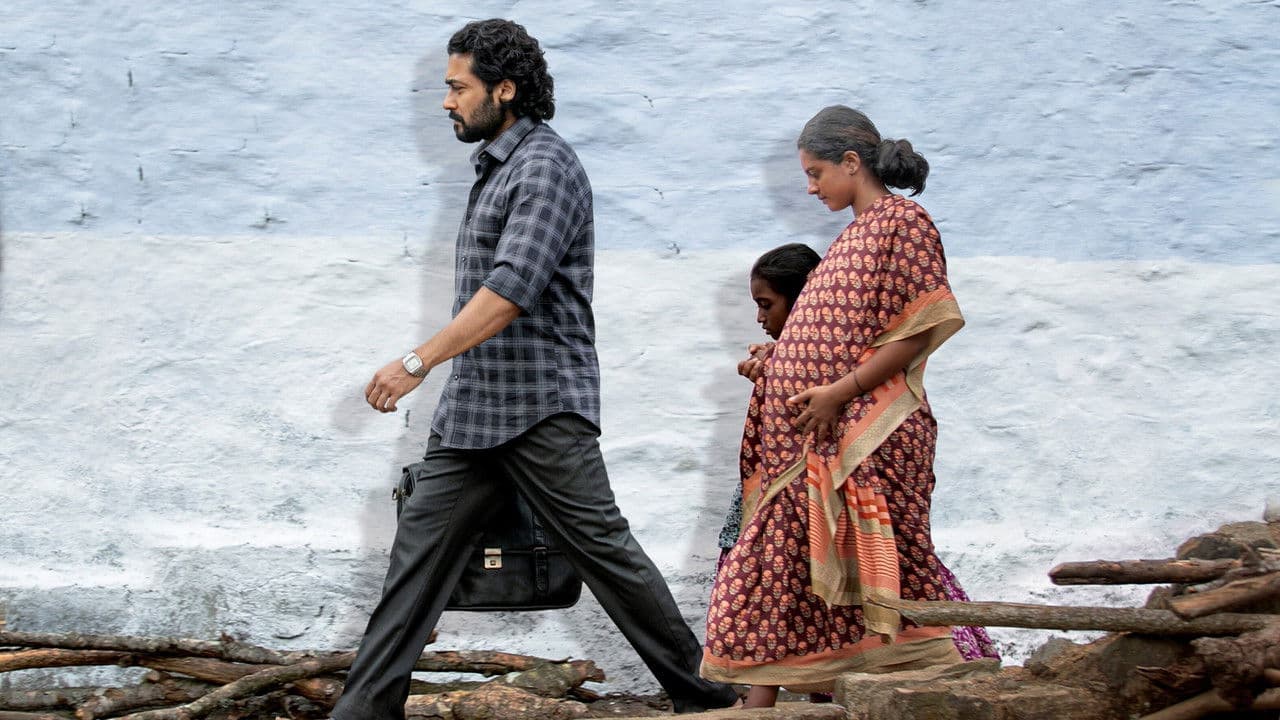
Lijomol Jose's Sengani is the film's emotional core. She delivers a performance of such raw, unmannered grief that you forget you're watching an actor. Her silence speaks louder than Suriya's monologues. Manikandan, as the missing husband, makes a devastating impact despite limited screen time-his scenes of quiet dignity before his arrest linger long after the credits roll. The child actor Baby Joshika Maya, as Alli, provides moments of heartbreaking innocence that contrast sharply with the film's grim realities.
Cinematographer S. R. Kathir captures two distinct worlds: the lush, unforgiving forests of the Irula habitat and the sterile, fluorescent-lit corridors of police stations and courts. The color palette shifts from earthy, natural tones in the tribal village to cold, bluish hues in scenes of interrogation and detention-a subtle but effective visual metaphor for the dehumanization the characters endure.
The film's primary weakness is its pacing. The first hour is deliberately slow, building context and character, but some viewers may find the procedural details excessive. A subplot involving a journalist (Rajisha Vijayan) feels underdeveloped, serving more as an exposition device than a fully realized character. Additionally, the antagonist police officers, while representing a real systemic rot, occasionally veer into caricature, their cruelty so unrelenting that it borders on the theatrically villainous.
The music by Sean Roldan is sparse but effective. The background score swells only when absolutely necessary, trusting the performances and dialogue to carry the weight. The climactic courtroom monologue-a 15-minute tour de force from Suriya-is shot in a single, unbroken take, and it is nothing short of breathtaking.