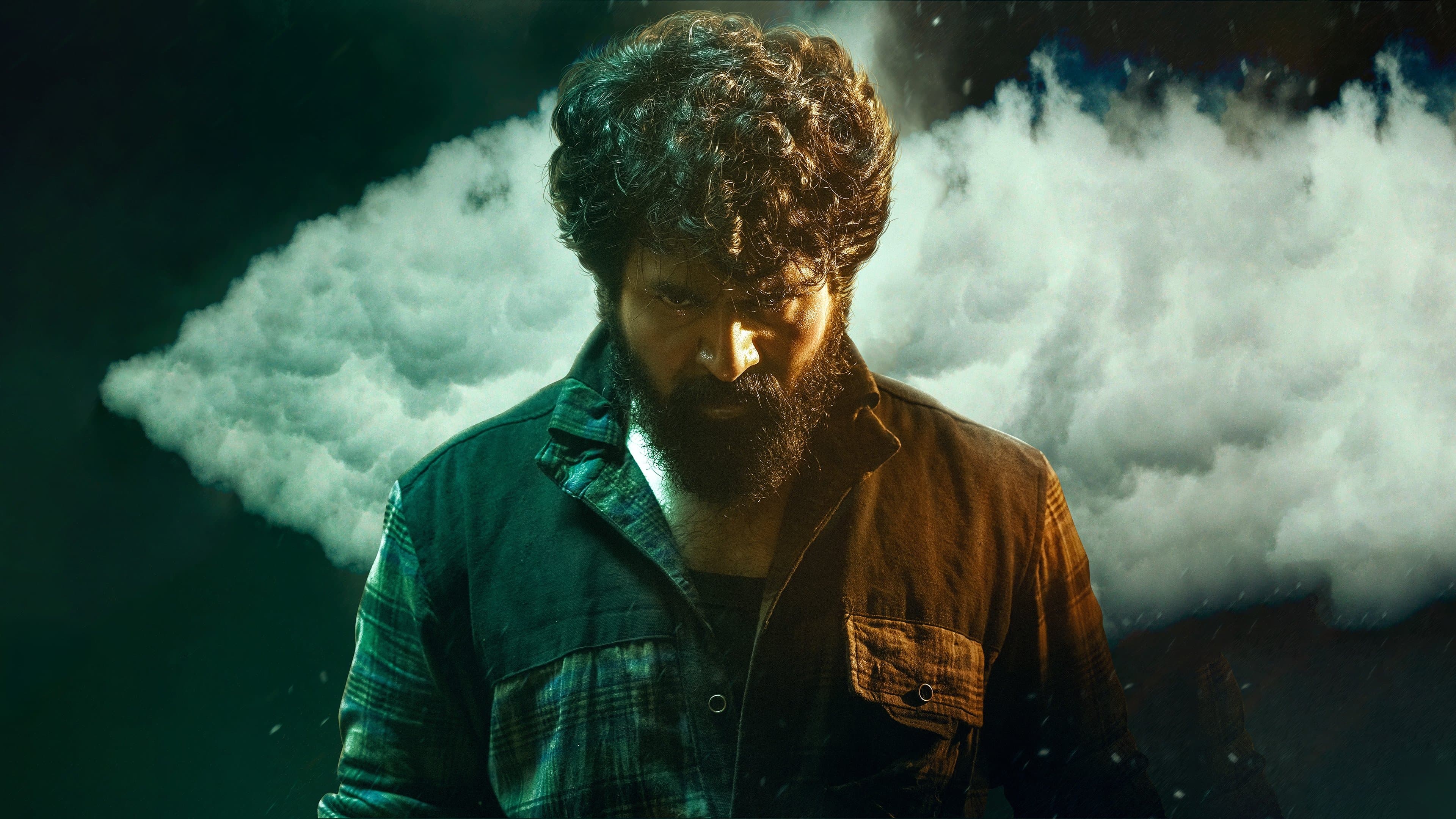
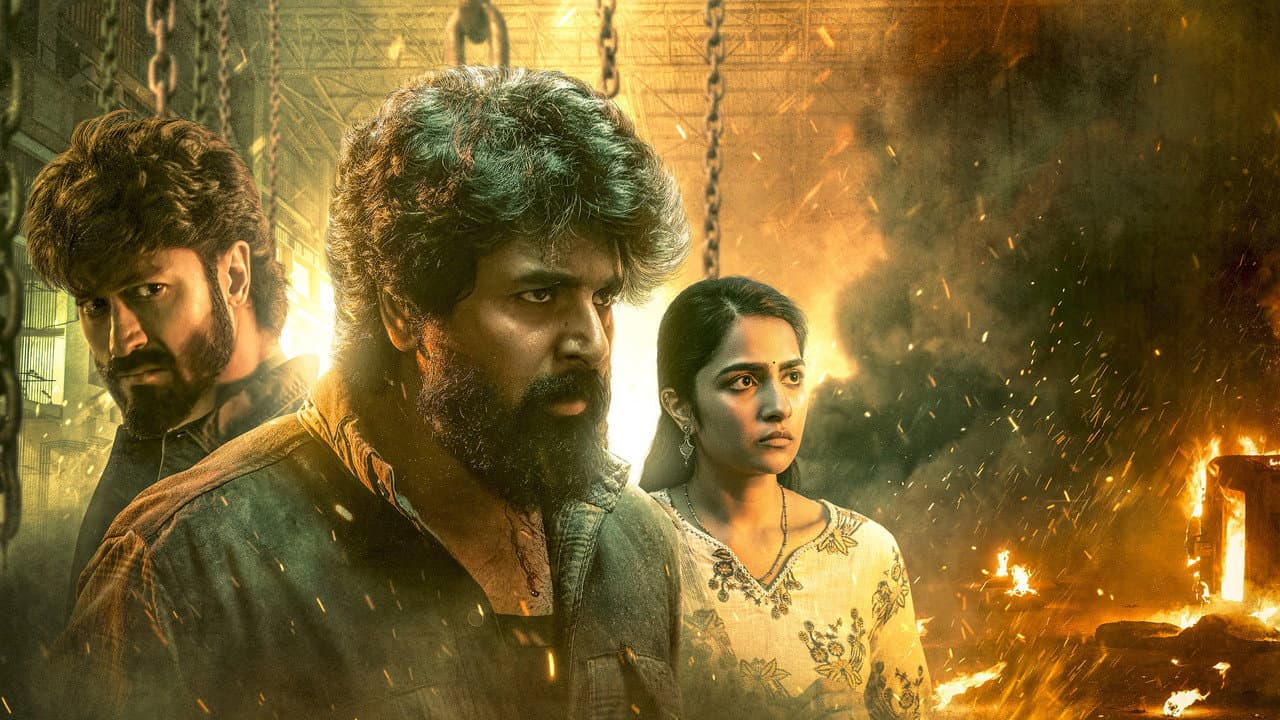
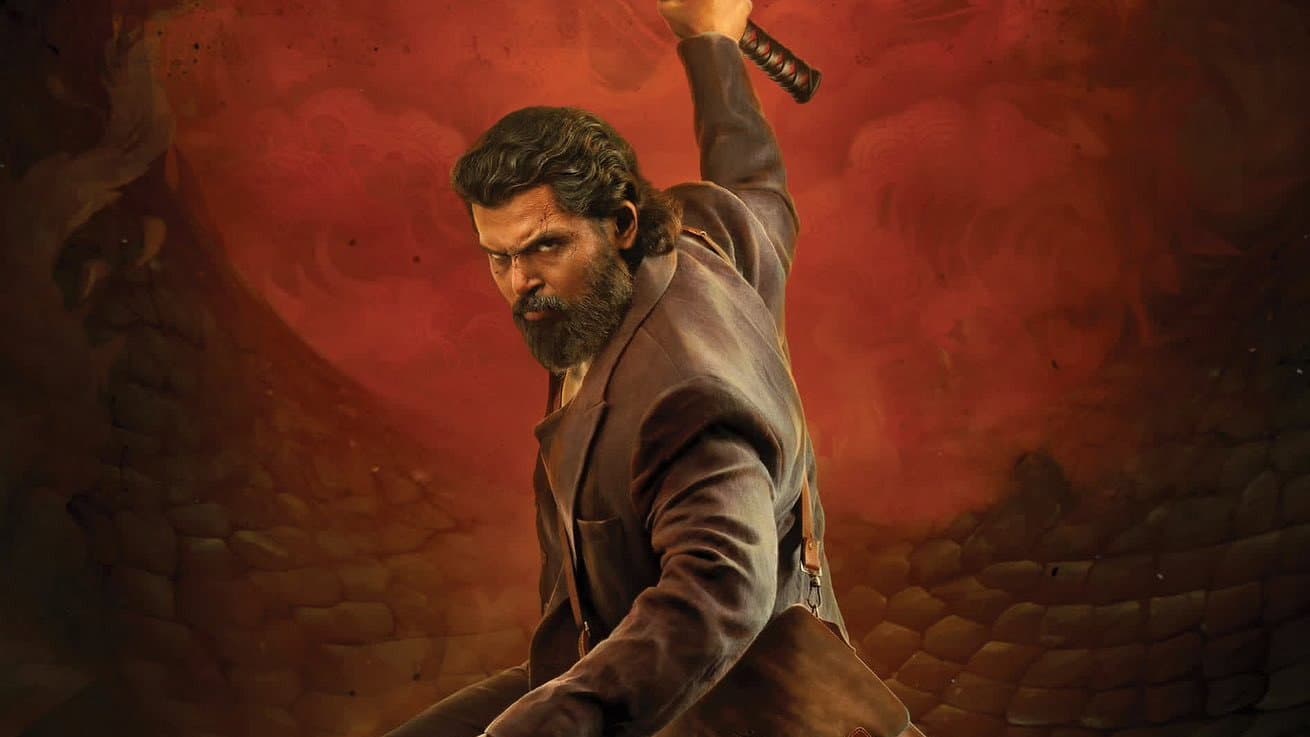
Let’s address the elephant in the room first: at 168 minutes, “Madharaasi” is a marathon. Murugadoss has never been a fan of brevity, and here he constructs a narrative that sprawls across three distinct acts, each with its own tone. The first act is a patient, almost novelistic setup - too patient for some, perhaps - that introduces Raghu’s disorder through vivid, claustrophobic camerawork. When faces blur into smudges of light and shadow, cinematographer Tirru lets us feel the panic through frantic zooms and shallow focus. It’s smart filmmaking.
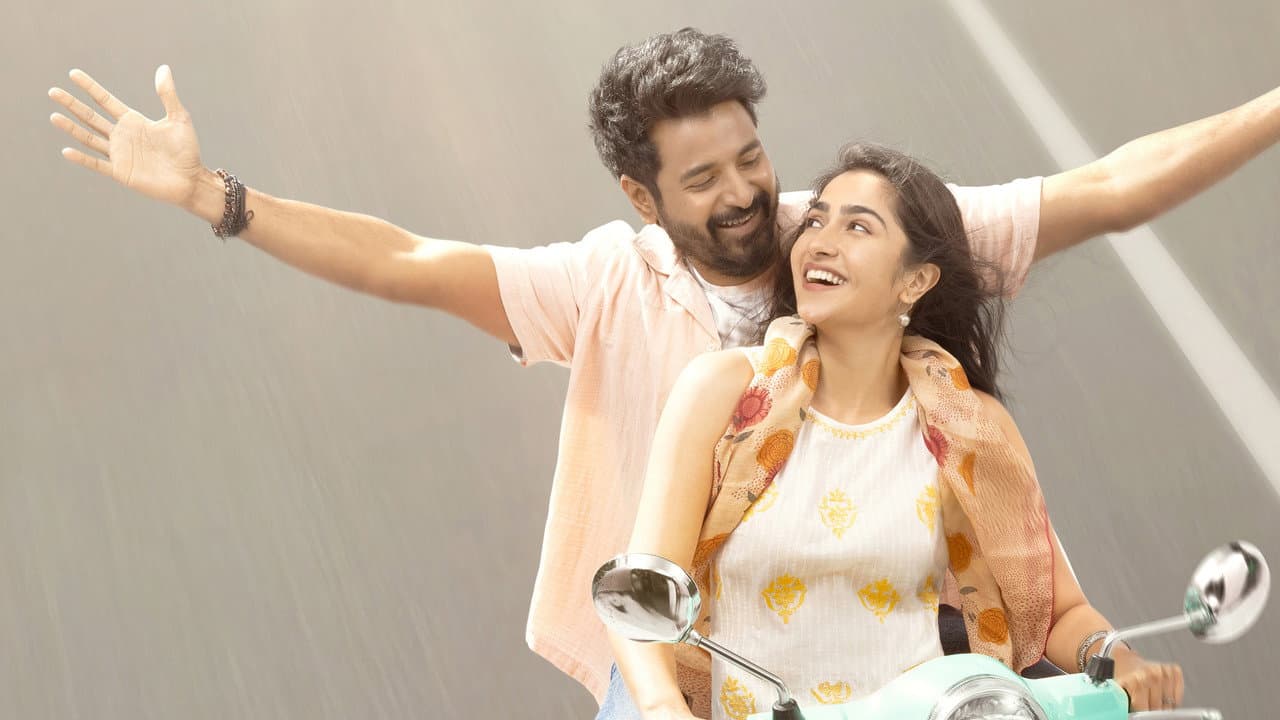
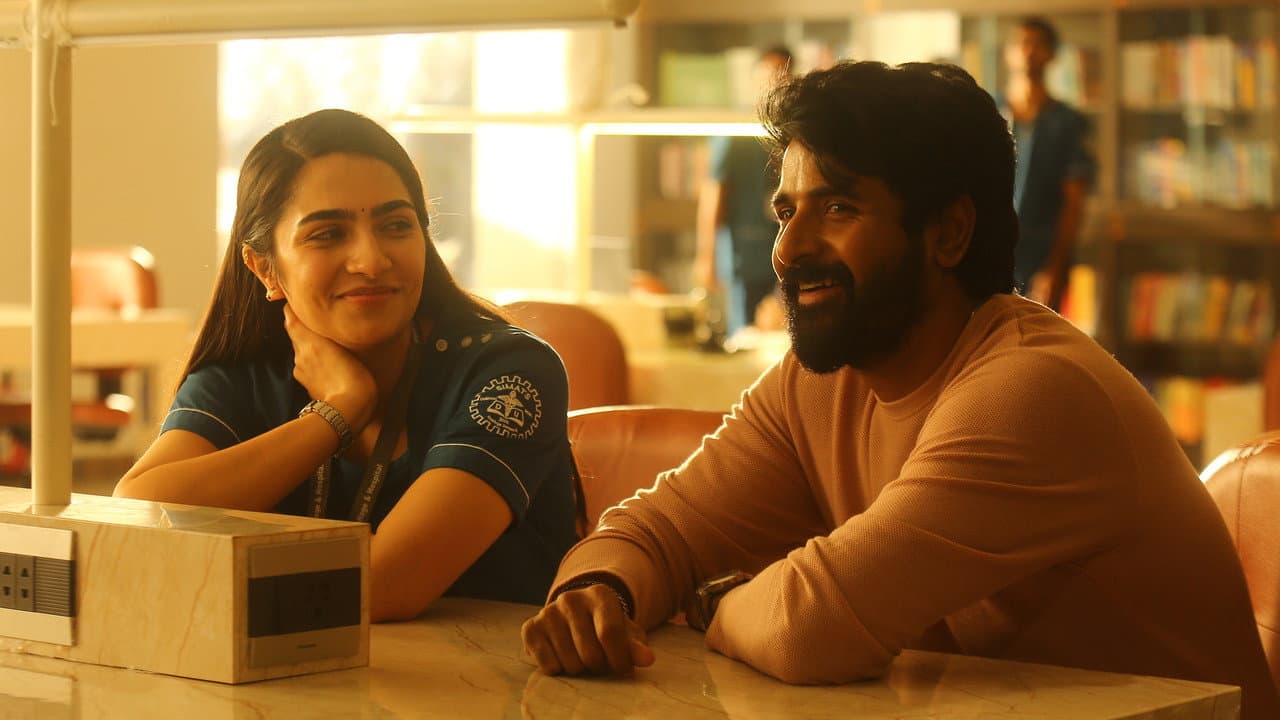
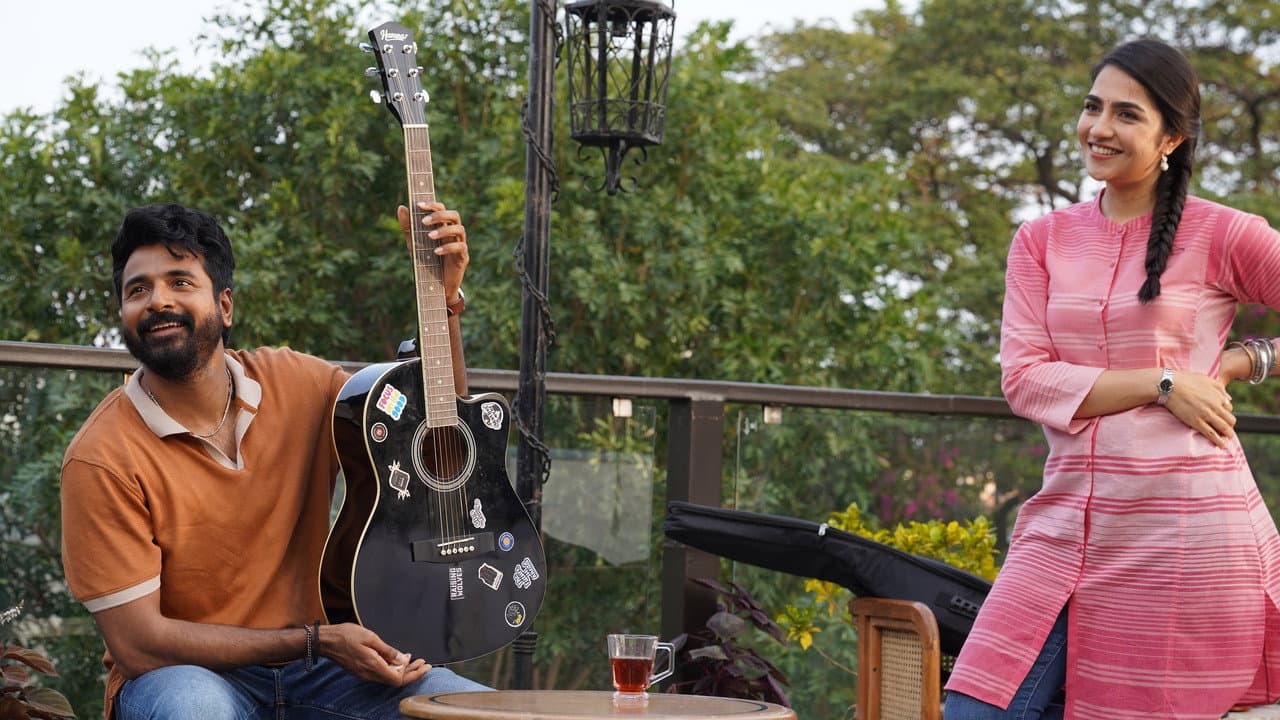
The second act, where the romance blossoms, is where the film wobbles. Rukmini Vasanth brings warmth and a sharp edge to Malathi - she’s no mere love interest; she’s a corrective lens for Raghu’s condition - but the chemistry between her and Sivakarthikeyan doesn’t crackle with the heat of their surroundings. Their scenes feel drafted, not sculpted. The romance is necessary for the plot machinery, but it lacks the lived-in intimacy that would make the stakes resonate.
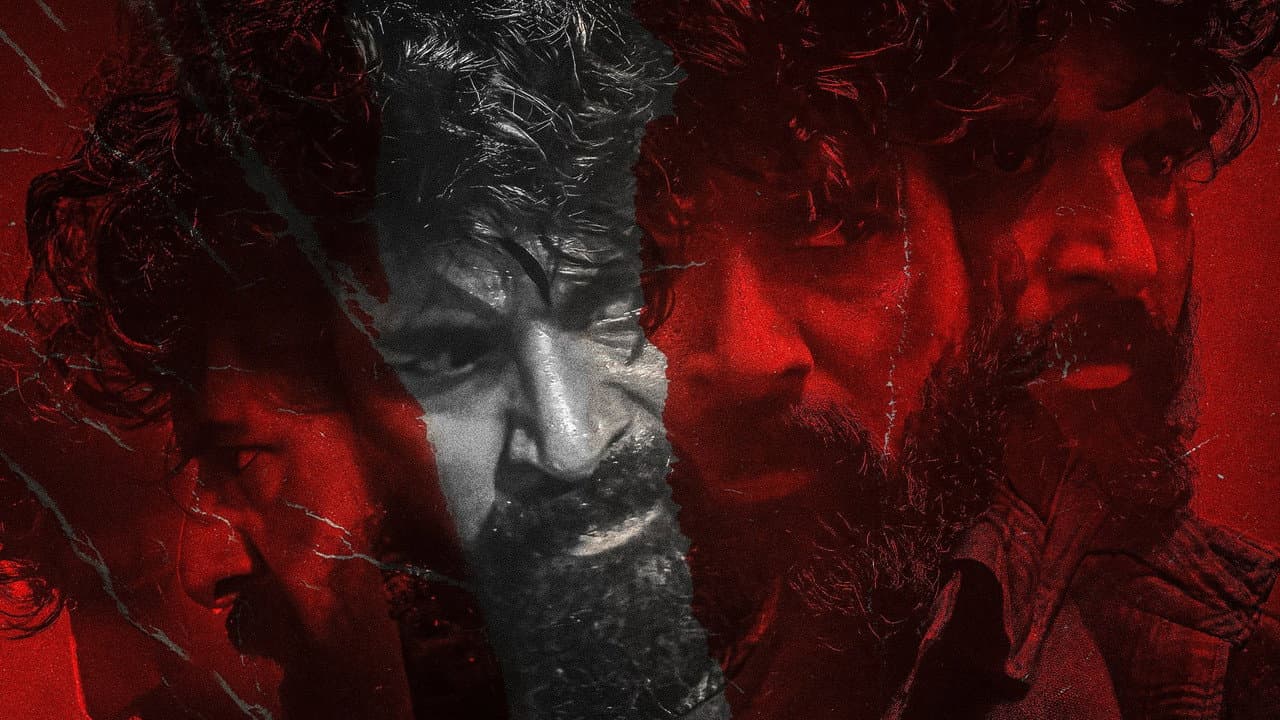
Then the third act happens. And it’s a beast. Murugadoss unleashes a string of action sequences that are brutal, inventive, and - this is key - psychologically layered. The fight choreography, overseen by Anbariv and Ramazan Bulut, abandons slick wire-fu for a rougher, more grounded style. Sivakarthikeyan, not known for action roles, throws himself into the physicality with admirable grit. But Vidyut Jammwal, as expected, steals every fight. He moves like water, fights like fire, and delivers his dialogue with a chilling calm that makes Virat one of the more memorable antagonists in recent Tamil cinema. When he tells Raghu, “You are not afraid of me. You are afraid of what you become when you stop being afraid,” the line lands - not just as a taunt but as a thesis.
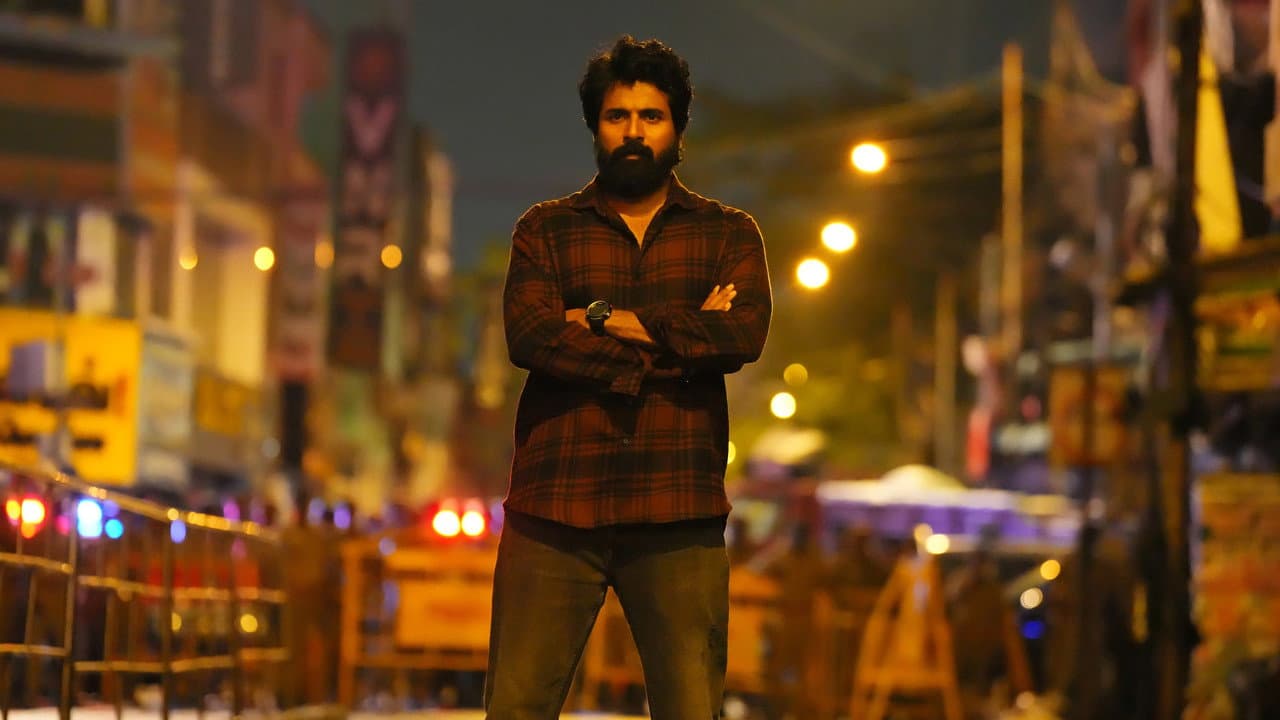
Performance-wise, this is Sivakarthikeyan’s most demanding role. He has to convey paranoia, vulnerability, and later, a raging determination. He’s not always convincing - his comic timing occasionally bleeds into moments that need silence - but his heart is palpable. Biju Menon brings a weary gravitas as Prem; his subplot with Vikranth’s Sandeep adds dimension even if it feels like another film trying to break out. Shabeer Kallarakkal’s Chirag and Thalaivasal Vijay’s Dr. Kannan are serviceable but underutilized.
The music by Anirudh Ravichander? It’s a mixed bag. The background score swells with synthetic urgency, often guiding the emotion when the performances can’t. The songs - “Vithai” and “Nee Enadhu” - are melodic but feel tacked on, interrupting momentum. One romantic track arrives just as the thriller tension should be tightening, a structural misstep that Murugadoss should have caught.
Themes of resilience and redemption are hammered home, but with a surgeon’s precision in some moments and a sledgehammer in others. Raghu’s final confrontation with Virat is less a physical victory than a psychological one: he learns to see clearly not just with his eyes but with his heart. It’s a neat metaphor, and the climax - set in a rain-soaked glass factory - is visually spectacular, even if the logic bends like a wet reed.