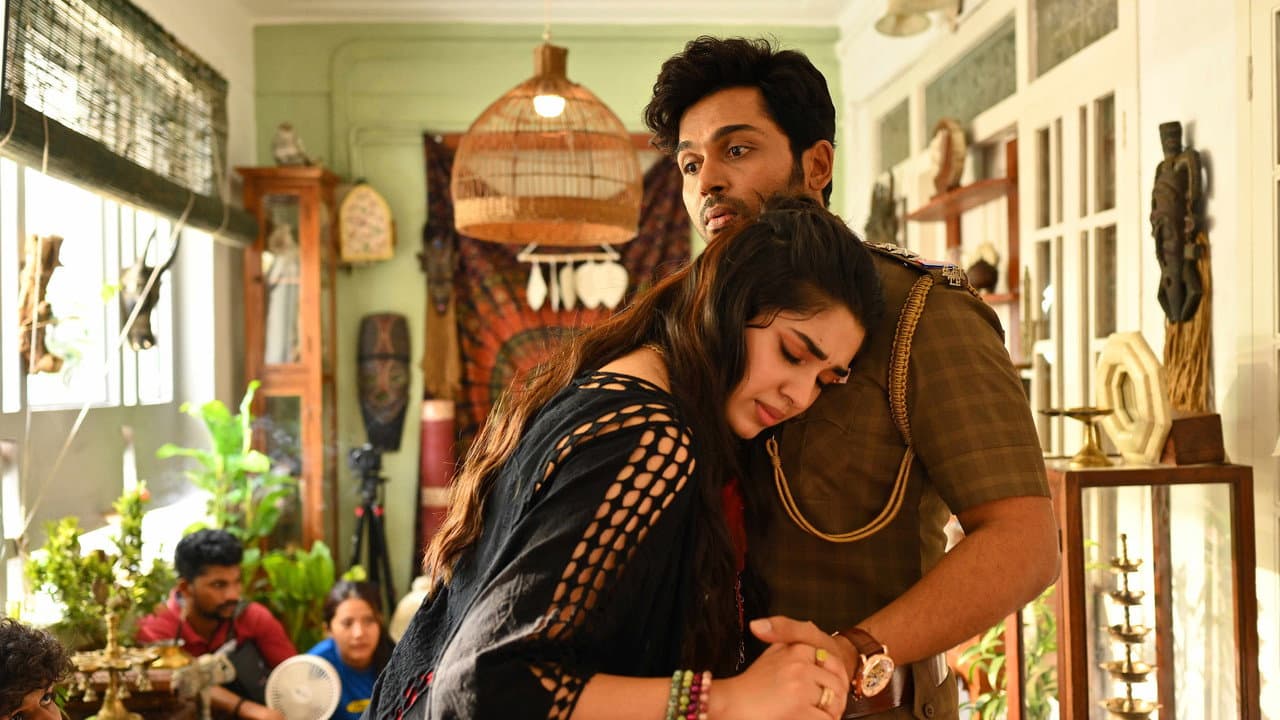
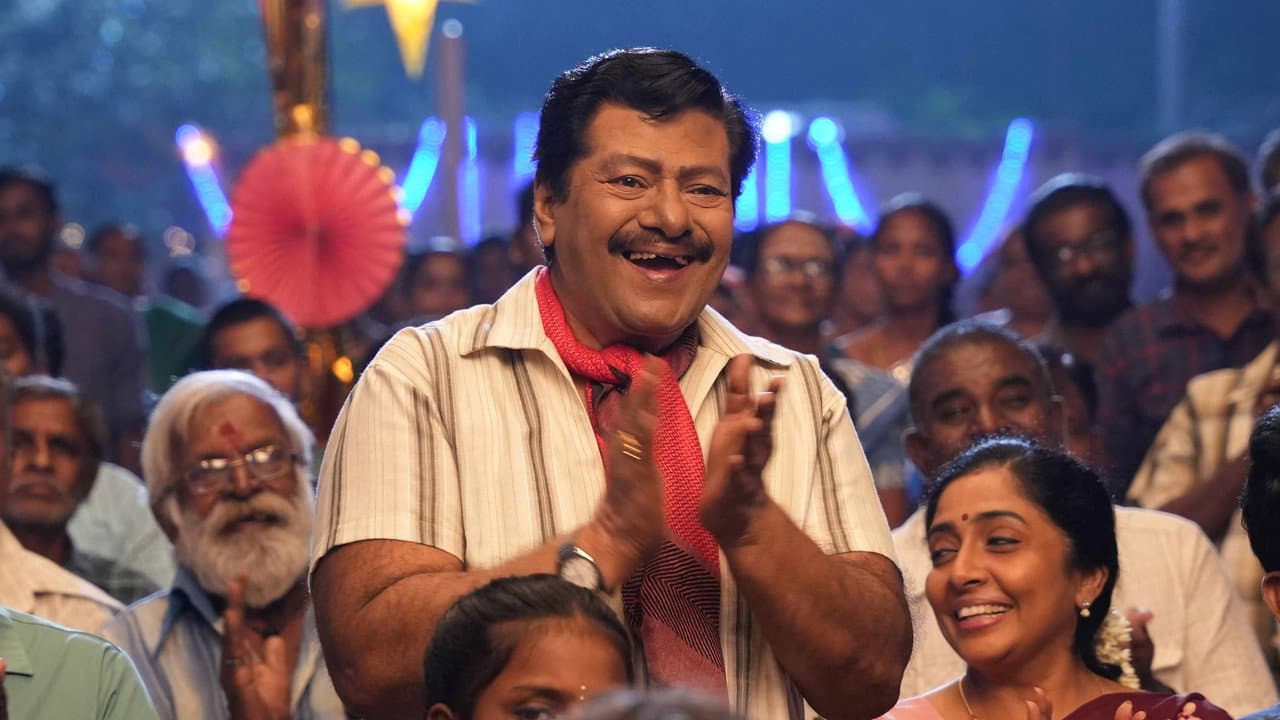
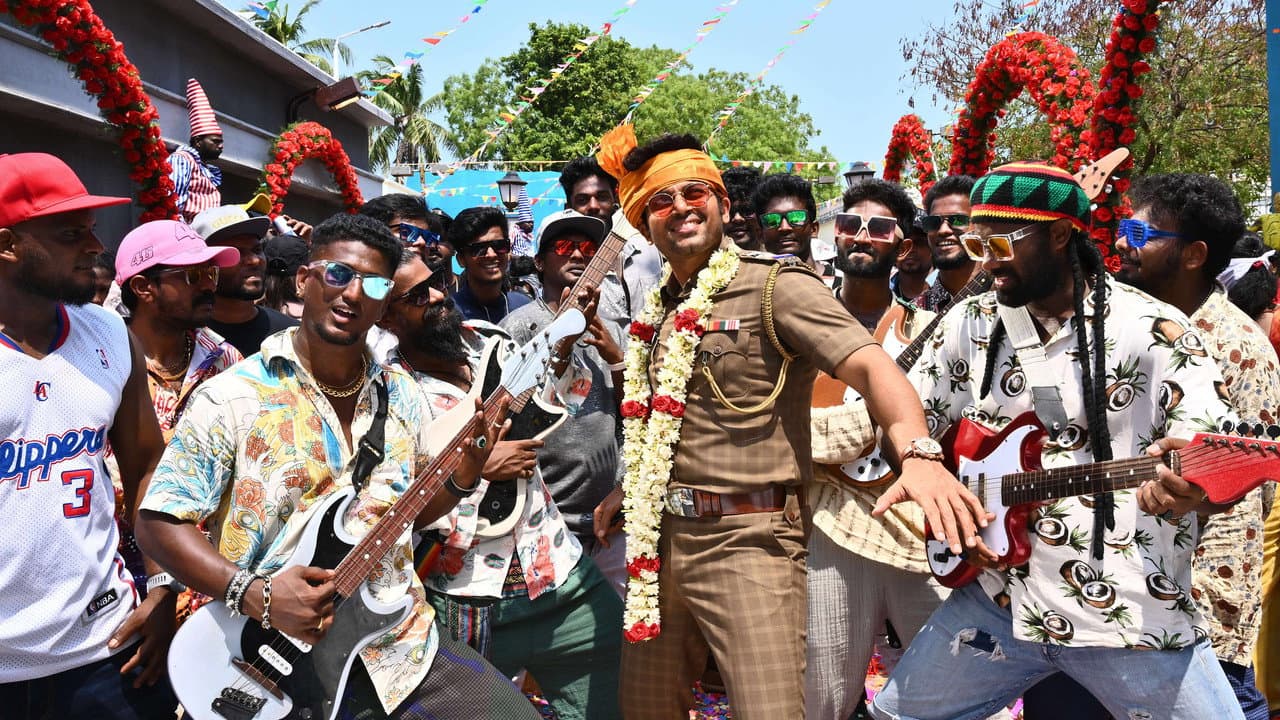
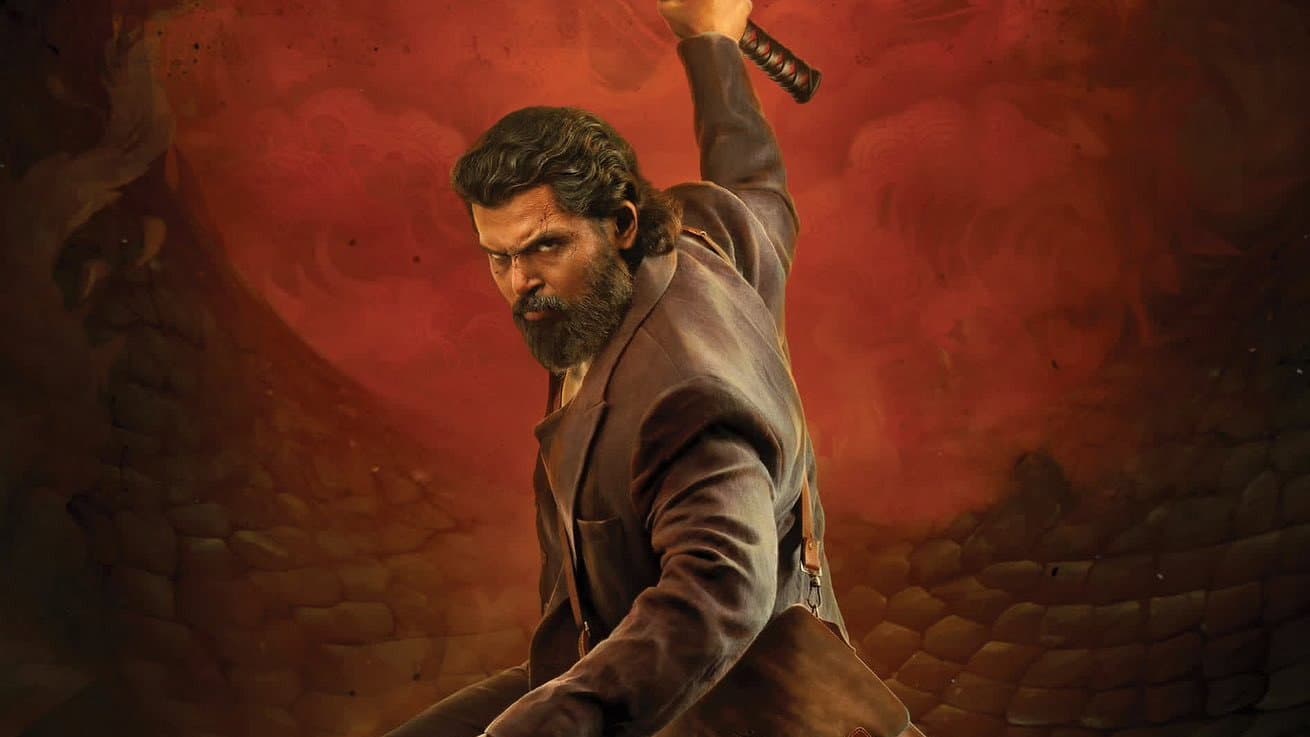
Let’s start with what works. Karthi is the film’s emotional engine, and he sells the absurd premise with earnest commitment. The early scenes where Ramu is forced to break into the actor’s iconic dance steps at a family gathering are both funny and sad-his wide grin hides a visible exhaustion. The comedic high point comes in a sequence where Ramu accidentally gatecrashes a funeral, and the MGR fan club mistakes his involuntary twitches for “divine possession.”
Nalan Kumarasamy’s trademark irreverence is present in bursts. The parody of star-obsessed fan clubs is sharp, especially in a scene where Anandaraj’s character explains how he “confirmed” Ramu was the actor’s reincarnation using a flowchart that includes “earlobe shape” and “pause before saying ‘podhum.’” Karunakaran, as the fan club’s reluctant treasurer, delivers deadpan zingers that land better than the physical comedy.
But the film suffers from a case of promising too many things. The first half jolts between a coming-of-age comedy, a wacky homage to MGR-era tropes, and a slow-burn romance between Ramu and Wu. Krithi Shetty’s Wu feels underutilized-her character has a potentially poignant backstory about her immigrant father, but it’s dropped after a single scene. The emotional core-Ramu’s struggle to forge his own identity-is repeatedly sidelined for chase sequences and slapstick brawls.
The action choreography is surprisingly weak for a film with “Action” in its genres. Fight scenes rely on slow-motion punches and repetitive kicks, with no inventive staging. A “grand” confrontation in a temple during a festival climax is loud but incoherent-you can’t tell who is hitting whom, and the emotional stakes feel hollow because the villain (a generic money-lender) has zero personality.
The biggest misstep is Sathyaraj and Rajkiran’s subplot. Both actors are legends, but their characters are one-note. Sathyaraj’s Periyasamy goes from fanatical to understanding in a speech that feels edited down from a longer draft. Rajkiran’s Jaiganesh is a cliché-the angry old man who softens after seeing a “true heart”-and the resolution between the two grandfathers is rushed, resolved by a single comedic misunderstanding.
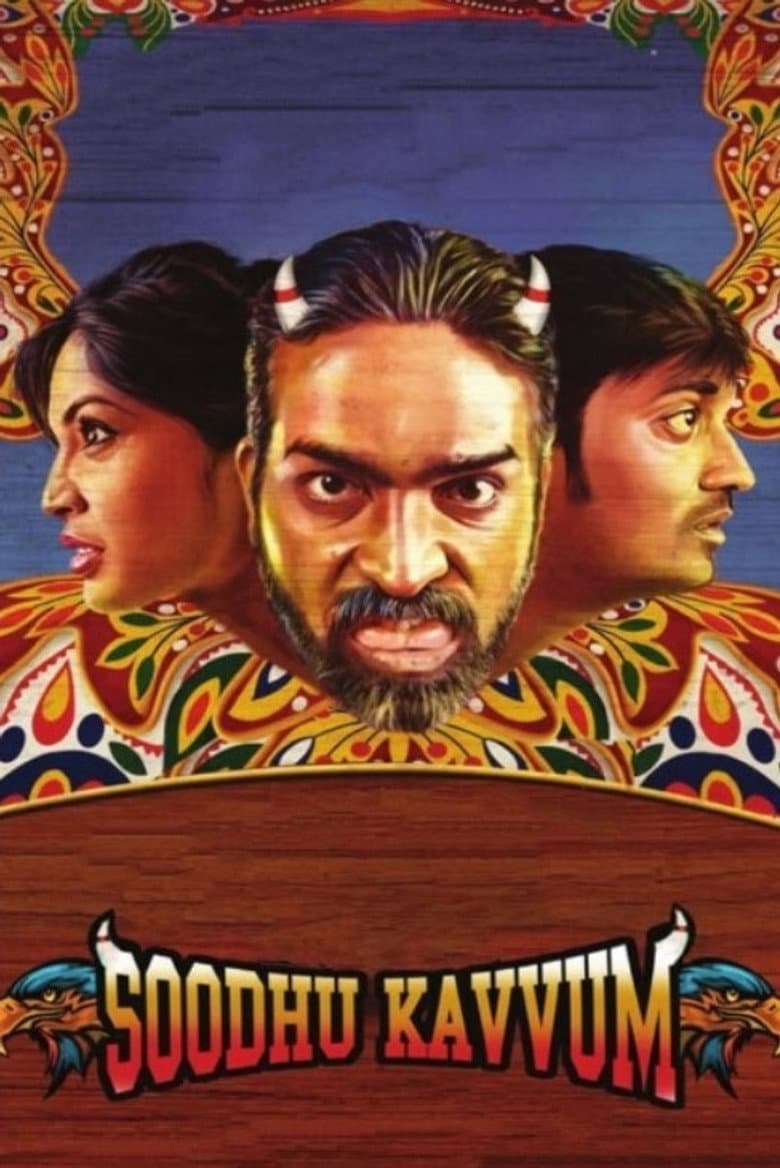
Technical aspects are competent but uninspired. The music (by an unnamed composer in the metadata, though likely a lesser-known talent) has one catchy number for the title track, but the background score during dramatic moments leans on generic orchestral swells. Cinematography is bright and clean but lacks the quirky framing that made Soodhu Kavvum visually distinctive.