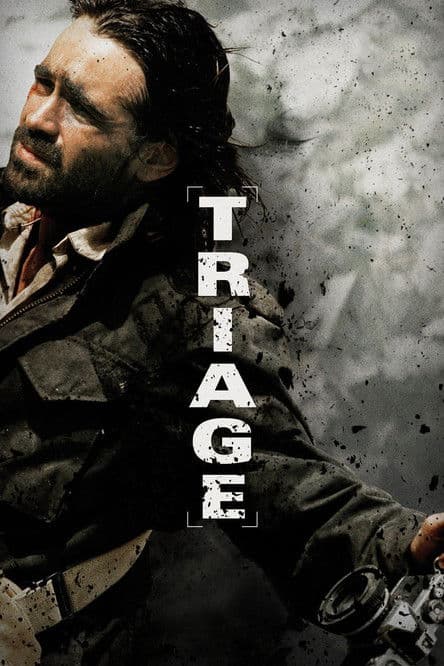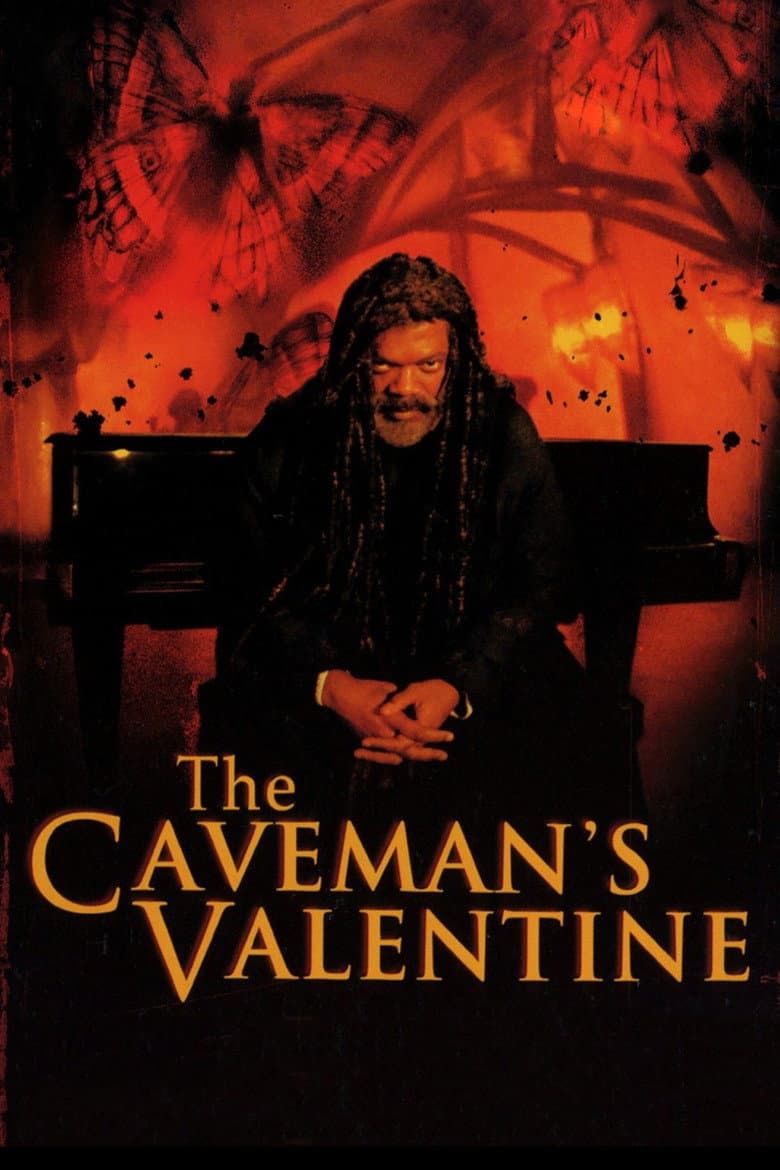
The film centres on a retired police officer known simply as Pulavar, a man whose reputation rests less on arrests than on confessions. Where his former colleagues once relied on beatings and threats, only to meet stubborn silence, Pulavar discovered a different tool: storytelling. He reads the minds of criminals who have learned to absorb violence and gives them something they cannot absorb, a narrative that slowly corners them. When a case lands in his lap involving offenders who have refused to crack under conventional pressure, Pulavar returns to the world he left behind and begins weaving his verbal web.
The screenplay is structured around a series of encounters rather than a single ticking-clock investigation, and that is both its charm and its problem. Early scenes establish the method with real intrigue, each conversation peeling back a layer of the suspect's psychology. The mystery itself is deliberately unhurried, more interested in why people lie than in the mechanics of the crime. Midway through, however, the pacing sags as the film repeats its central trick without escalating the stakes. The eventual resolution is satisfying in a quiet, moral way, but one wishes the journey had a sharper spine.