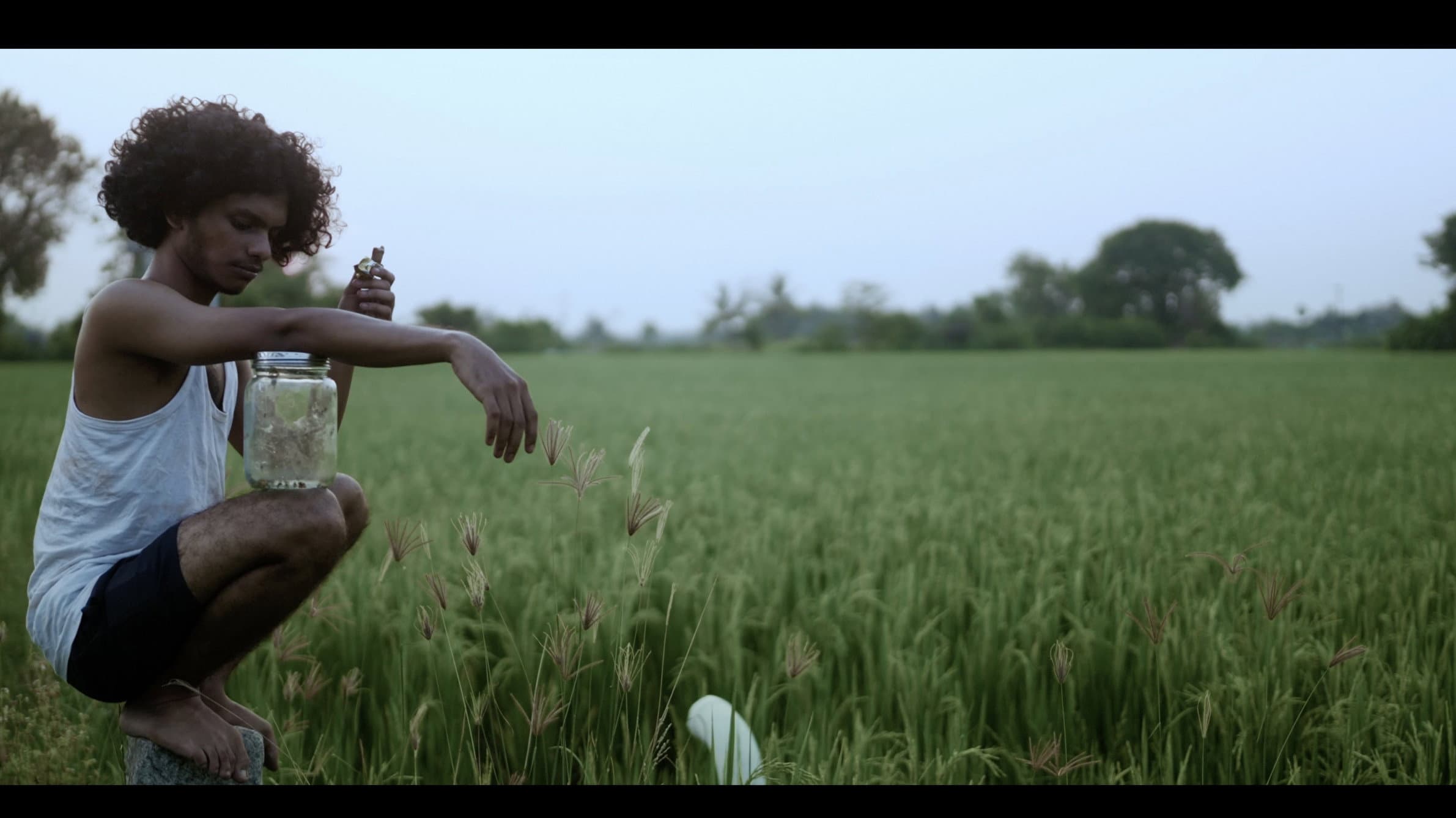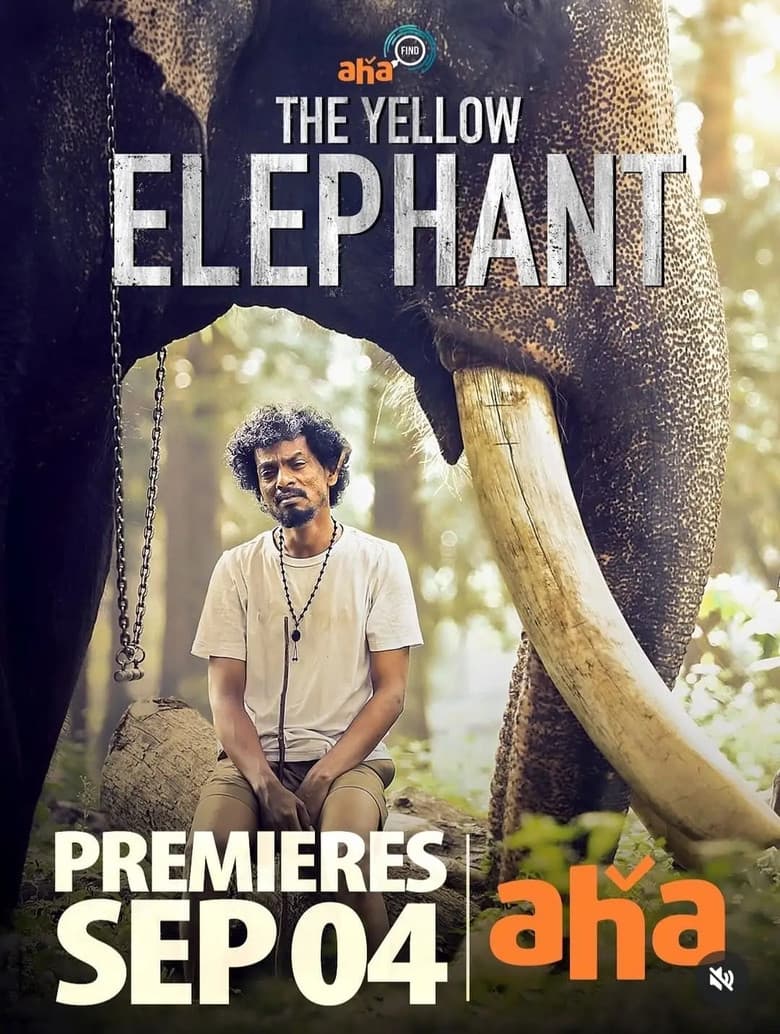
The silence of the forest is no longer silent. It is filled with the crack of breaking fences, the rumble of heavy feet, and the desperate, high-pitched cries of farmers who have lost everything overnight. This is the visceral, heartbreaking reality captured in Baskar Arumugam’s new documentary, The Yellow Elephant, which slipped quietly into select theaters on September 4, 2026. And while the title might suggest a whimsical children’s fable, the film is anything but that. It is a sobering, deeply humanistic look at the escalating war between man and pachyderm on the fringes of Tamil Nadu’s wilderness.
Arumugam, a director known for his patient, observational style, has spent the better part of three years embedded in villages that sit directly on elephant migratory corridors. The result is a work that refuses easy answers. We are not given a villain, nor are we handed a clean solution. Instead, The Yellow Elephant offers something far more unsettling: context. The "yellow" of the title, we learn, does not refer to a literal animal. It refers to the sickly, jaundiced pallor of crop fields decimated overnight, the color of drying corn and broken sunflower stalks. It is also the color of the early morning haze through which the elephants emerge, blurring the line between a spiritual vision and a natural disaster.
The film opens with stunning aerial shots of the forest canopy, green and seemingly infinite, before cutting to a ground-level view of a barbed-wire fence. A single, massive bull elephant stands on the other side, his skin a map of scars and old wounds. He is not aggressive. He simply waits. Arumugam holds this shot for an uncomfortable amount of time, forcing the audience to feel the standoff’s tension. A farmer, silhouetted against the rising sun, throws a stone. The elephant does not charge. He just turns and melts back into the shadows. It’s a moment that encapsulates the film’s thesis: this is not malice; it is survival.
What makes The Yellow Elephant exceptional is its refusal to sentimentalize its subjects. The farmers, many of whom have lost their entire year’s income in a single night, are not portrayed as saints. One elderly woman, her voice breaking, explains how she now sleeps in her field with a kerosene lamp and a metal pot, banging it to scare away the herd. Yet later, she admits that when a calf was separated from its mother last monsoon, she left food out for it. "They are not thieves," she tells the camera, through a translator, her eyes wet. "They are refugees. We have taken their home, and now we are angry when they visit ours." This duality is the film’s beating heart.
Arumugam’s camera rarely flinches. We see the aftermath of a train collision - the enormous, unmoving body swaddled in tarpaulin, a government crane struggling to lift it. We see solar-powered fences, electric barriers, and trenches filled with water, all of which the elephants learn to bypass within weeks. There is a sequence involving a "kumki" elephant - a captive, trained elephant used to drive wild herds back into the forest - that is quietly devastating. The kumki, chained by its leg, sways rhythmically, its eyes half-closed, a living piece of machinery used to police its wild cousins.
The film’s pace is deliberate, almost meditative, which may alienate viewers expecting a standard wildlife doc filled with thrilling chases. There are no David Attenborough-style voiceovers. The audio is raw: the buzz of flies, the distant whistle of a train, the low rumble of an elephant’s stomach. Dialogue is sparse, and when it comes, it is heavy with exhaustion. One young man, a college graduate who returned to his village to farm organic millet, states bluntly, "We are fighting a losing battle. The elephants have time. We do not. They will inherit this land long after we are gone." It is a line that lingers long after the credits roll.
Given the film’s TMDb score of zero - a placeholder inherited from pre-release data, no doubt - it is a fresh splash in the Kollywood pond. This is not a big-budget masala entertainer. There is no star cast, no interval bang, no songs. In an industry that thrives on spectacle, The Yellow Elephant feels like a radical act of defiance. Arumugam has essentially made an art-house environmental essay under the banner of commercial cinema, and for that alone, he deserves praise. Yet, the film’s true strength is its political neutrality. It doesn’t blame the Forest Department, nor does it exonerate them. It doesn’t advocate for culling, nor does it romanticize the wild. It simply observes, with aching clarity, a tragedy unfolding in slow motion.
By the final reel, the "yellow" has shifted meaning once more. A young child paints a picture of an elephant using a single yellow crayon. She says, "This is the elephant who ate our mangoes. I still like him." The camera pans to Arumugam’s shot of the field elephants crossing a railway track just before dawn. The sky is a sickly gold. The elephants, silhouetted against that glow, look less like animals and more like specters - ghosts of a landscape that no longer has room for them. The Yellow Elephant is not an easy watch, but it is an essential one. It reminds us that the forest is not a backdrop, and the elephant is not a symbol. They are flesh, blood, hunger, and fear. And they are losing, just as we are. Available now on limited screens, it is required viewing for anyone who has ever wondered what happens when the jungle ends and the kitchen begins.