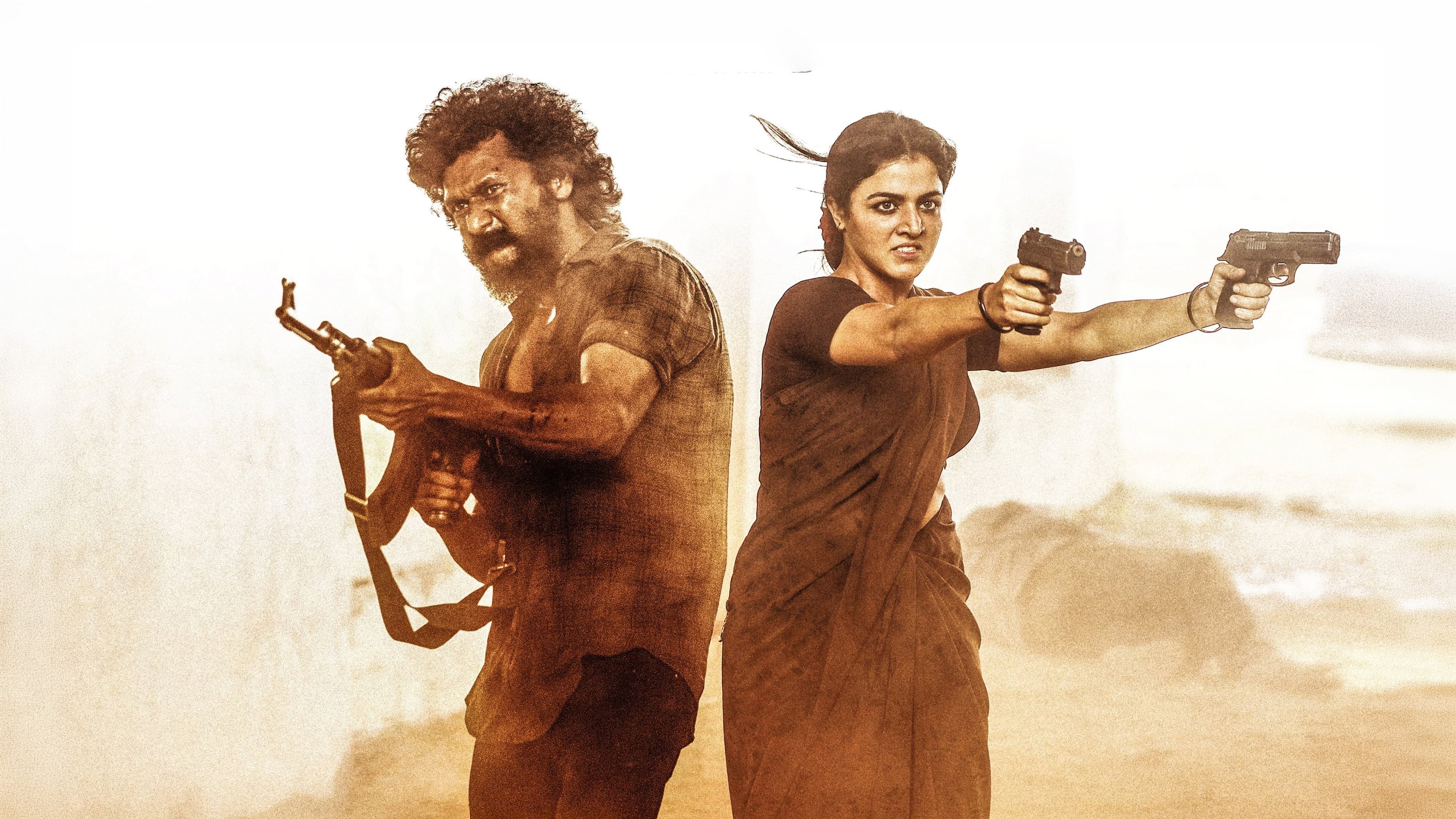
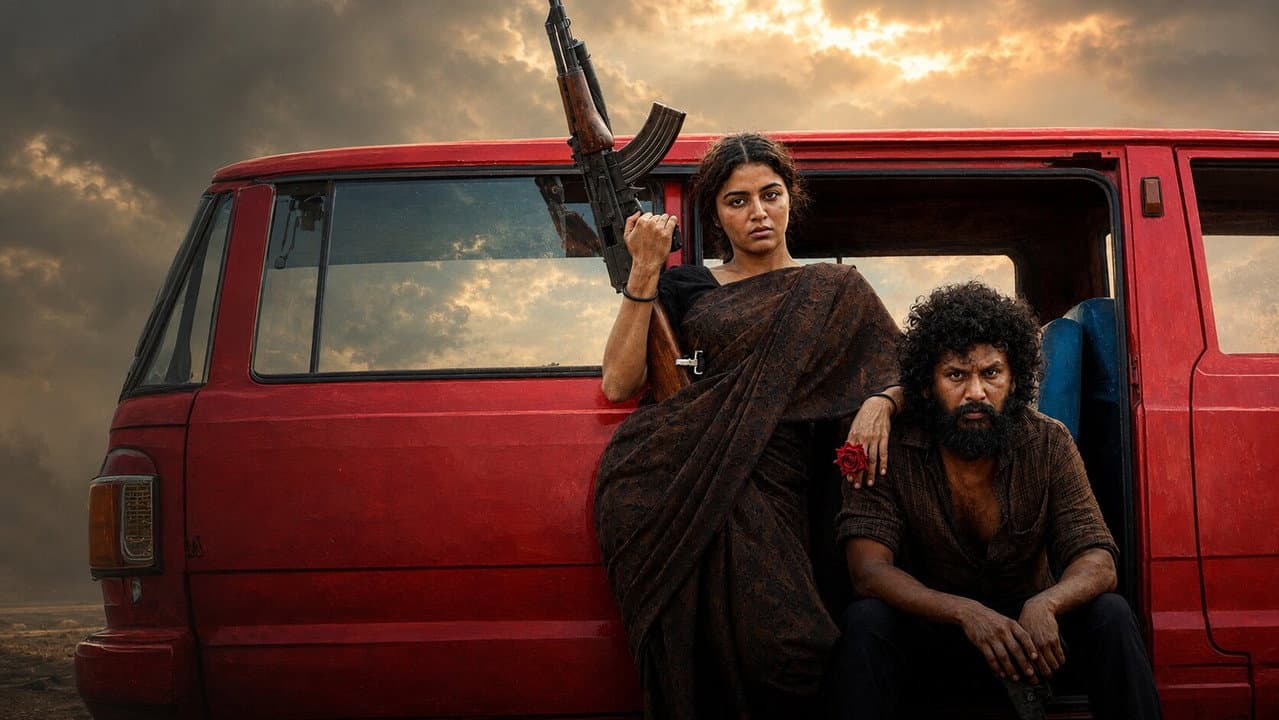
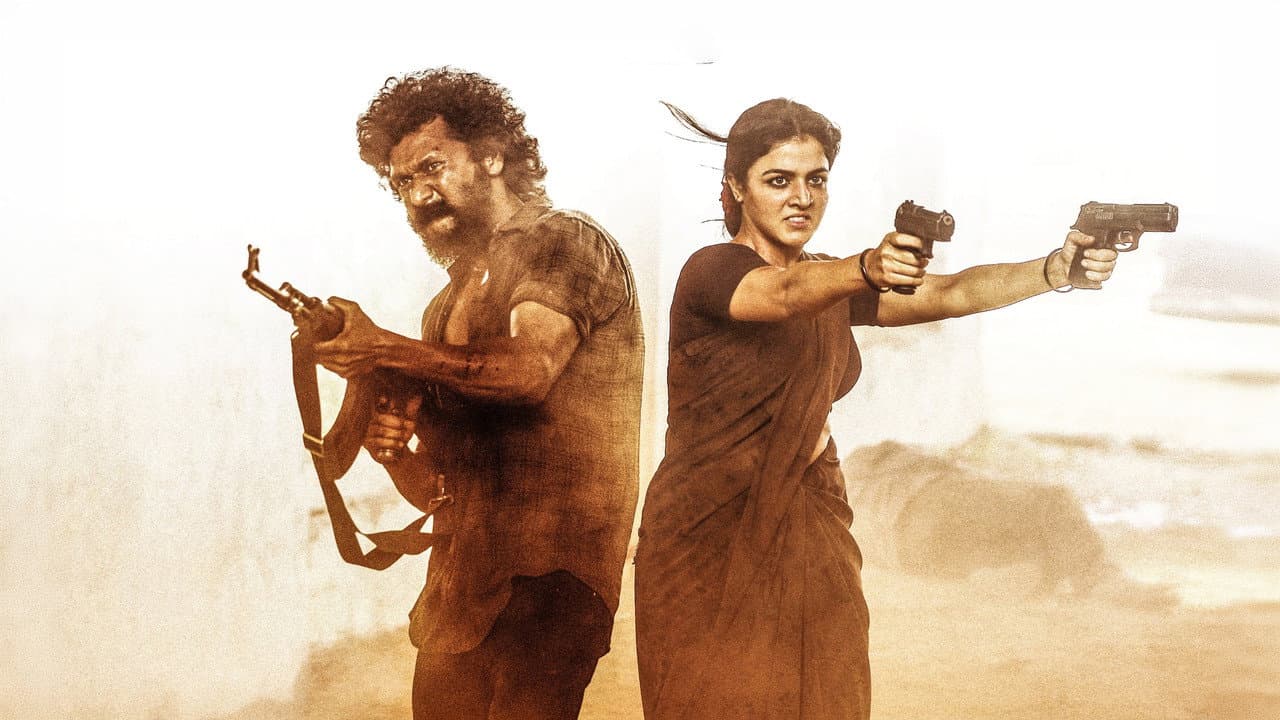
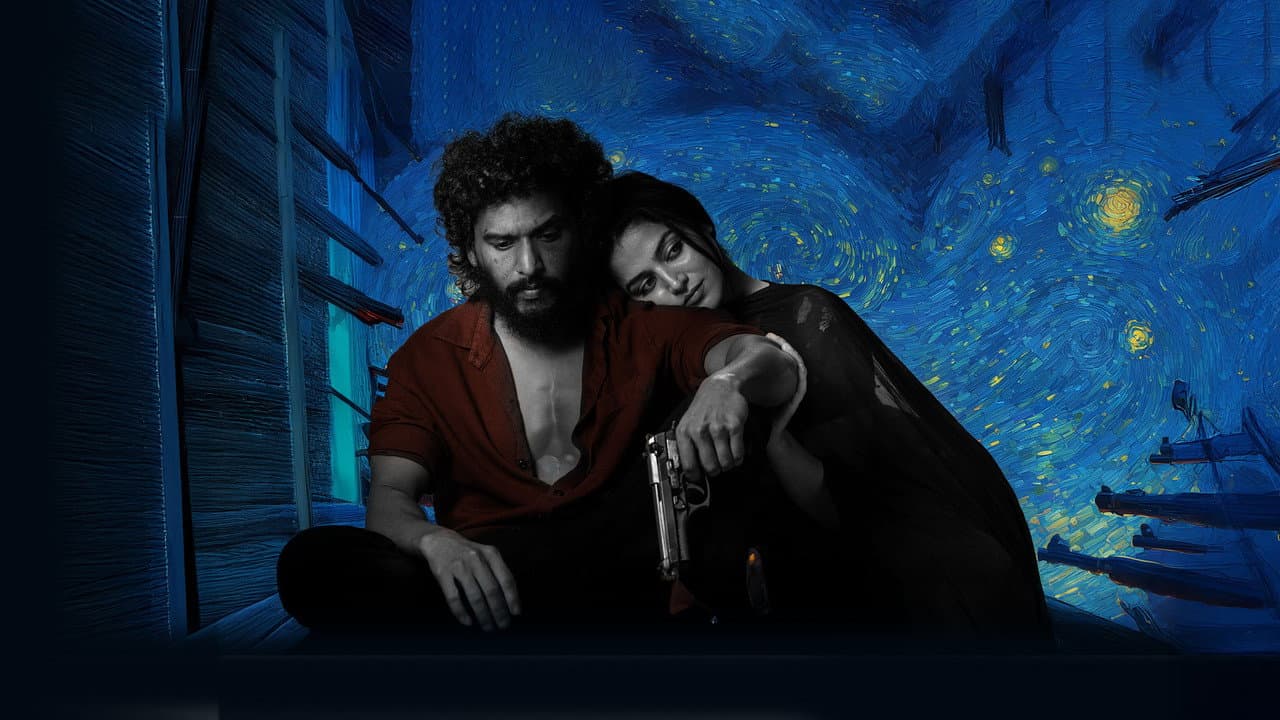
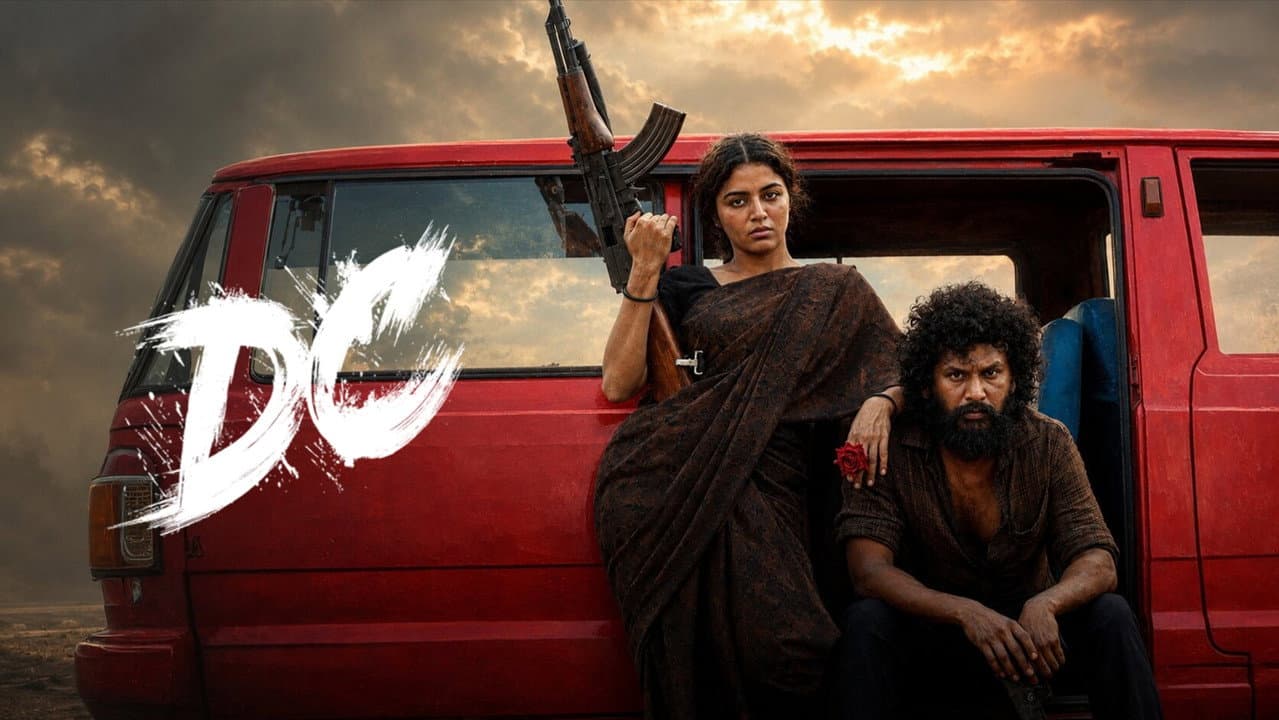
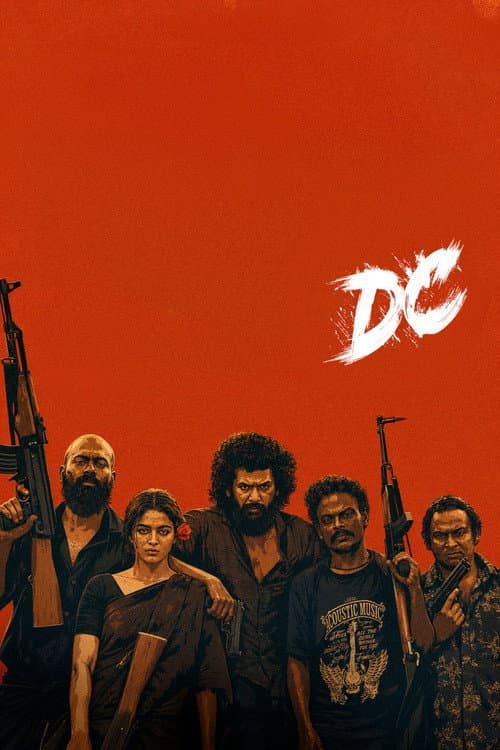
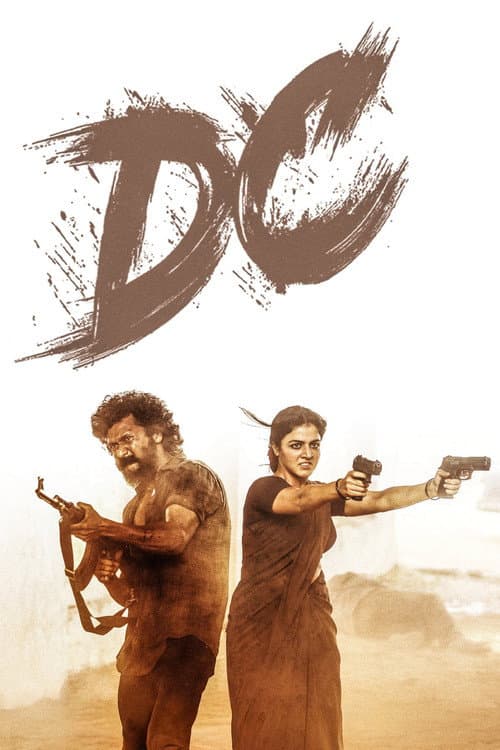
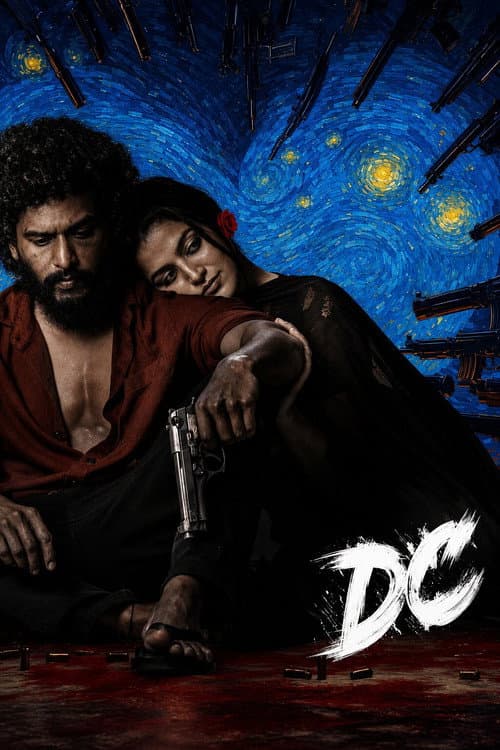
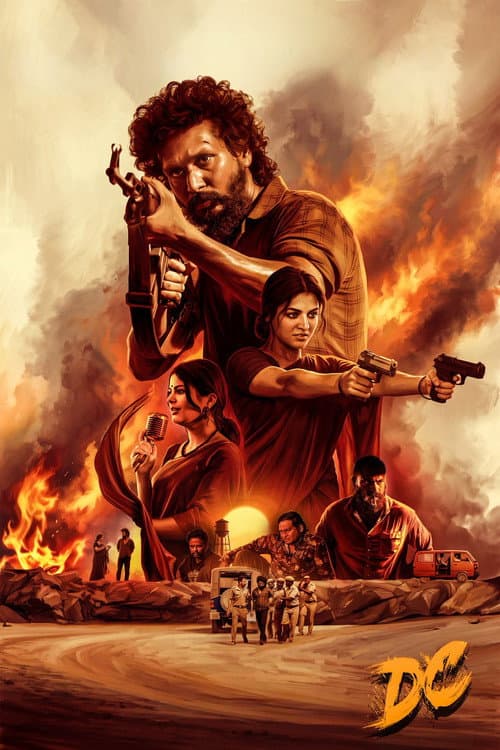
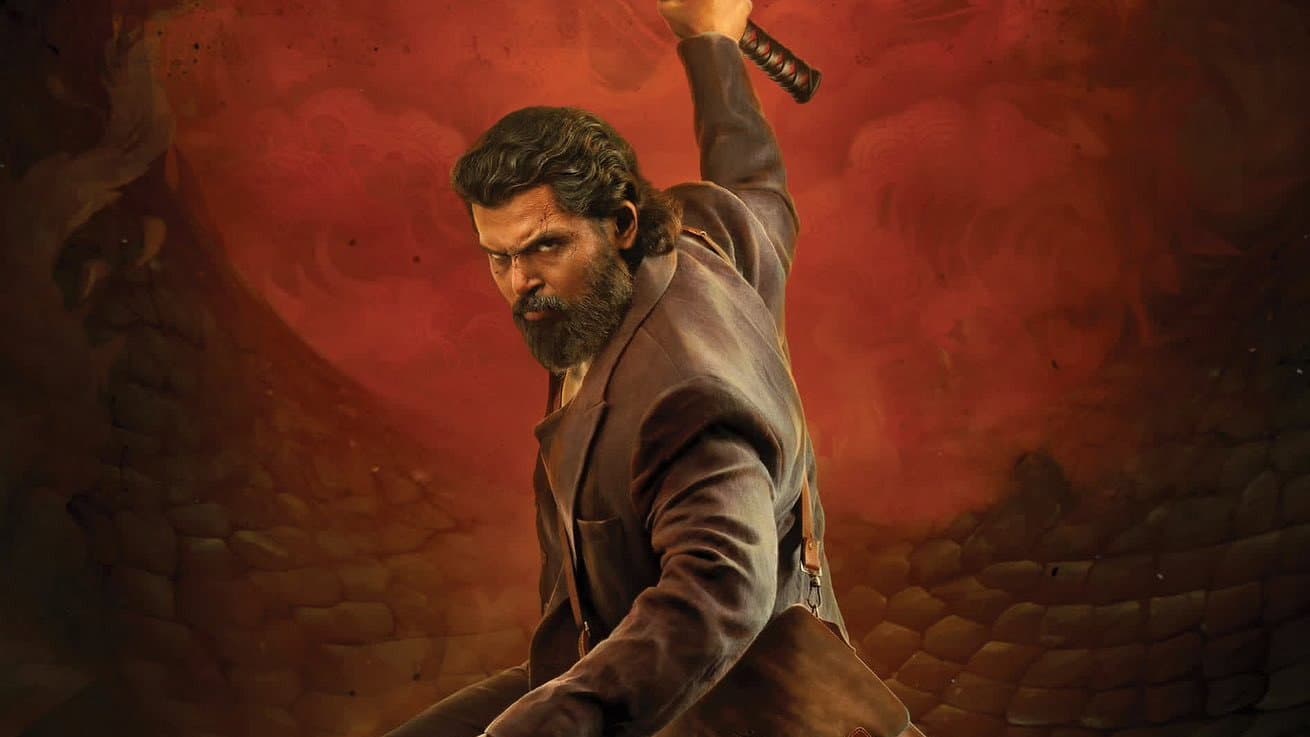
Let’s get the obvious out of the way: Lokesh Kanagaraj, better known as the architect of the Lokesh Cinematic Universe, steps in front of the camera here, and he is transformed. His Devadas is a coiled serpent, all quiet menace and sudden, explosive violence. He doesn’t act; he reacts. His eyes carry years of unsaid pain, and his physicality - a hunched shoulder, a twitch of the lip - speaks louder than any monologue. It’s a star-making turn, not for a new actor, but for a director proving he can be a screen presence of equal magnitude.
Wamiqa Gabbi matches him beat for beat. Chandra is not a love interest; she’s a co-conspirator. Gabbi plays her with a feral intelligence, oscillating between vulnerability and cold calculation. Her introduction is a masterclass in subverting expectations - she’s not waiting to be saved; she’s planning the rescue. Their chemistry is volatile, less romance and more a chemical reaction that could detonate at any second. The film’s best scenes are quiet, two-handed dialogues where words are weapons and pauses are loaded.
Matheswaran’s direction is audacious. He uses long takes that let violence sprawl, then cuts with jagged abruptness to create disorientation. The action sequences are balletic but brutal - bone-crunching, sweat-flecked, and grounded in a realism that makes each punch feel earned. The production design is grimy and lived-in, from smoky bars to rain-slicked alleys. The cinematography (by the ever-reliable Karthik Muthukumar) paints in shadows and neon, evoking a world where moral gray is the only color.
Yet, DC is not without its flaws. The middle act sags under the weight of exposition, and some subplots - particularly Sharath Ravi’s Chunnilal, who feels criminally underused - are left dangling like loose wires. The narrative structure is deliberately fractured, which rewards patience but will frustrate those seeking a linear path. The romantic thread, while intense, often gets subsumed by the carnage, leaving the emotional payoff slightly muted. And the runtime, at 141 minutes, could be trimmed by a solid fifteen without losing pulse.
But to criticize DC for being too much, too violent, too messy, is to miss the point. This is a film that wants to overwhelm. It’s a primal scream disguised as cinema. The editing is rhythmic, almost hypnotic, and the background score (by an unnamed but noteworthy composer) throbs like a bad heartbeat. By the time the final confrontation arrives, you’re not watching a film; you’re trapped inside a fever dream.