The calculated chill that creeps through the theatre during the first half hour of “Immortal” isn’t just the air conditioning. It’s the feeling of a filmmaker setting a trap, and the audience, like the film’s hapless protagonist, walking straight into it. Released today, September 4, 2026, Mariyappan Chinna’s audacious genre-bender arrives with a deceptively simple premise and a dangerously tangled heart, and for Kollywood, it’s a swing that feels both profoundly local and unsettlingly new.
At the center of this storm is Magi, played by G. V. Prakash Kumar with a palpable, sweaty-palmed earnestness that anchors the film’s escalating chaos. Magi is a nobody, a man content in the margins until death starts circling him like a shark scenting blood. The overview tells us he’s “unsuspecting,” but Prakash Kumar’s performance suggests a deeper fatigue - a man who has perhaps always Known something was wrong but lacked the courage to look. When a series of mysterious deaths begin to orbit his existence, each more inexplicable than the last, the film transforms from a slow-burn romance into a claustrophobic hall of mirrors.
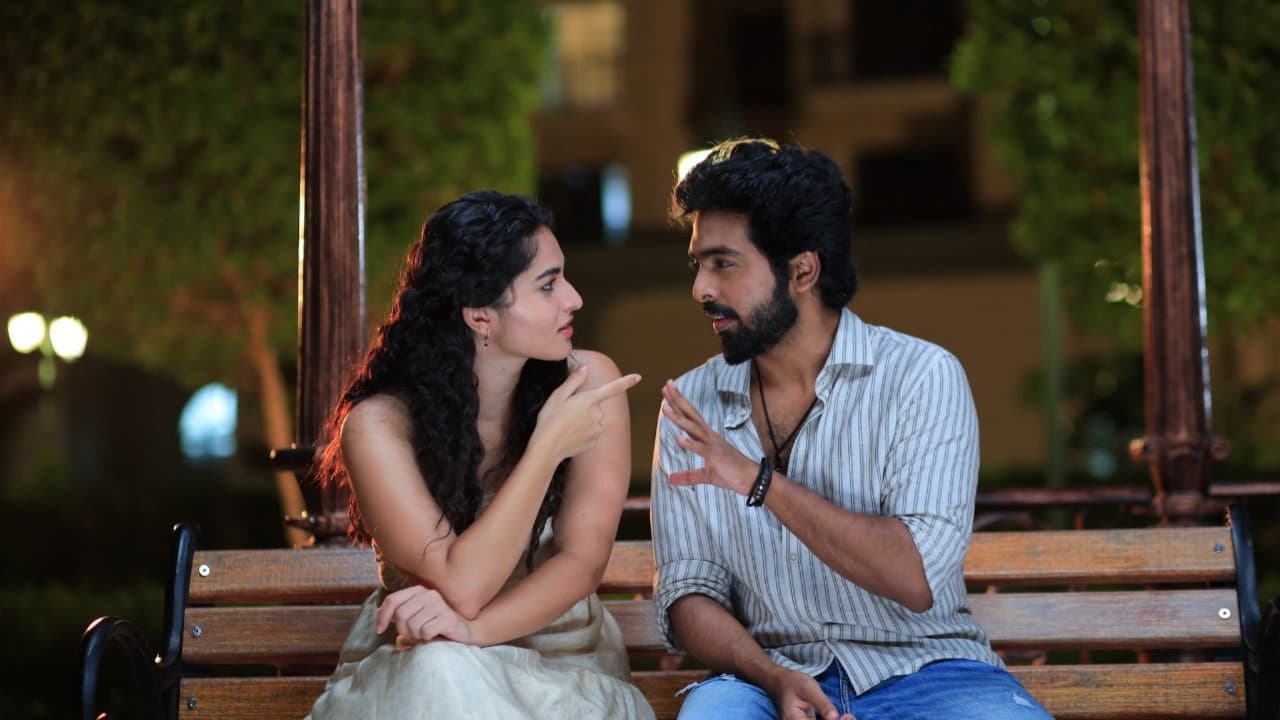
What makes “Immortal” such a difficult film to categorize - and I mean that as the highest compliment - is how Chinna refuses to let the plot dictate the mood. The opening reels play like a tender, sun-drenched romantic drama, with Magi meeting the luminous Sindhu (Kayadu Lohar, radiating a grounded warmth that makes the ensuing dread feel like a personal betrayal). Their chemistry is gentle, almost timid. Lohar, a fresh face from the Hindi belt who has been carving a niche in Tamil cinema, brings a quiet steel to Sindhu. She isn’t just a damsel or a prize; she’s the film’s moral compass, frequently more perceptive than Magi, seeing the cracks in his reality before he does. Their courtship is shot with a soft-lens intimacy that feels deliberately nostalgic, a pre-lapsarian Eden that we, the viewers, know is about to be scorched.
Then the tone shifts. Not with a jump scare, but with an architecture of unease. T.M. Karthik and Kumar Natarajan, playing ominous authority figures who seem to know more than they divulge, arrive like storm clouds. The horror here isn’t the cheap, loud kind. It’s the horror of recognition - seeing familiar faces in unfamiliar, threatening contexts. The film asks a terrifying question: what if the secret that will destroy you is not a buried memory, but a physical reality you can’t escape?
Chinna, whose previous work has shown a predilection for moral complexities, directs with a steady hand, allowing long, uncomfortable takes that force you to sit in the weirdness. He’s aided immensely by a supporting cast that treats the material with deadly seriousness. Lollu Sabha Maaran, usually a source of comic relief, is repurposed here into a jittery, paranoid sidekick whose fear feels infectious. Meanwhile, Arshu Maharjan and Pema Tsamchoe, playing characters who drift in from Magi’s periphery, are used sparingly but effectively, their Himalayan-influenced features adding a visual otherness that further disorients our sense of place. Adithya Kathir completes the circle as a detective whose dogged pursuit of Magi is less about justice and more about a pathological obsession.
To reveal more of the plot would be an act of sabotage, because “Immortal” is a film that lives and dies on its reveals. What can be said is that the script, working from an original idea, uses the fantasy genre not as an escape hatch, but as a pressure cooker. It is a film about the weight of identity - what it means to be stuck inside a body that defies natural laws, and the terrifying loneliness that comes with it. The romantic subplot isn’t a distraction; it’s the engine. We care about Magi and Sindhu so deeply that when the fabric of their reality begins to fray, the violence feels visceral, almost personal.
Is it a perfect film? No. The pacing in the middle sag slightly, as the film wrestles with its own mythology, occasionally landing on explanations that feel too neat for the chaos it has unleashed. There are moments where the director’s ambition feels just a shade beyond his grasp, particularly in the VFX-heavy sequences that are innovative in concept but occasionally uneven in execution.
Yet, “Immortal” demands to be seen for its bravery. In a landscape frequently content to rehash commercial formulas, Chinna has leaned into a balancing act that would topple lesser talents. He has made a love story that tastes of ash, a thriller that values dread over violence, and a horror film that finds its monsters in the mirror. Prakash Kumar proves yet again that he is not just a musical prodigy but a formidable actor capable of carrying existential weight, while Lohar solidifies her status as a performer of genuine range.
By the time the credits roll (and stay for them; the final sting is a doozy), the film leaves you with an uncomfortable silence. You aren’t sure whether to grieve or to recoil. That ambiguity, that unsettling blur between romance and horror, is "Immortal's" greatest strength. It doesn’t offer catharsis; it offers a haunting. For Tamil cinema, that’s a bold, welcome change of pace - a film that you won’t stop thinking about, even when you desperately want to.