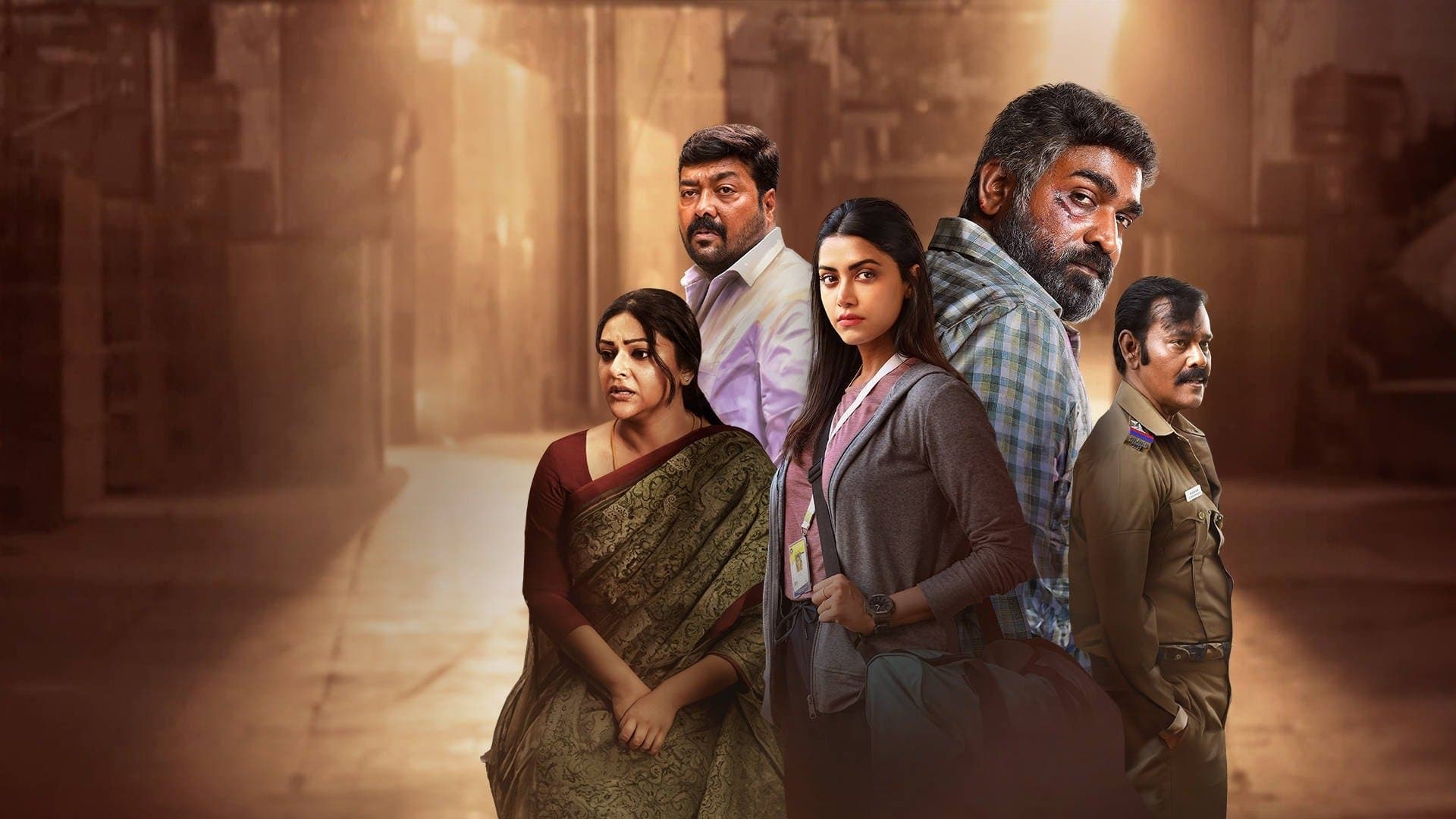
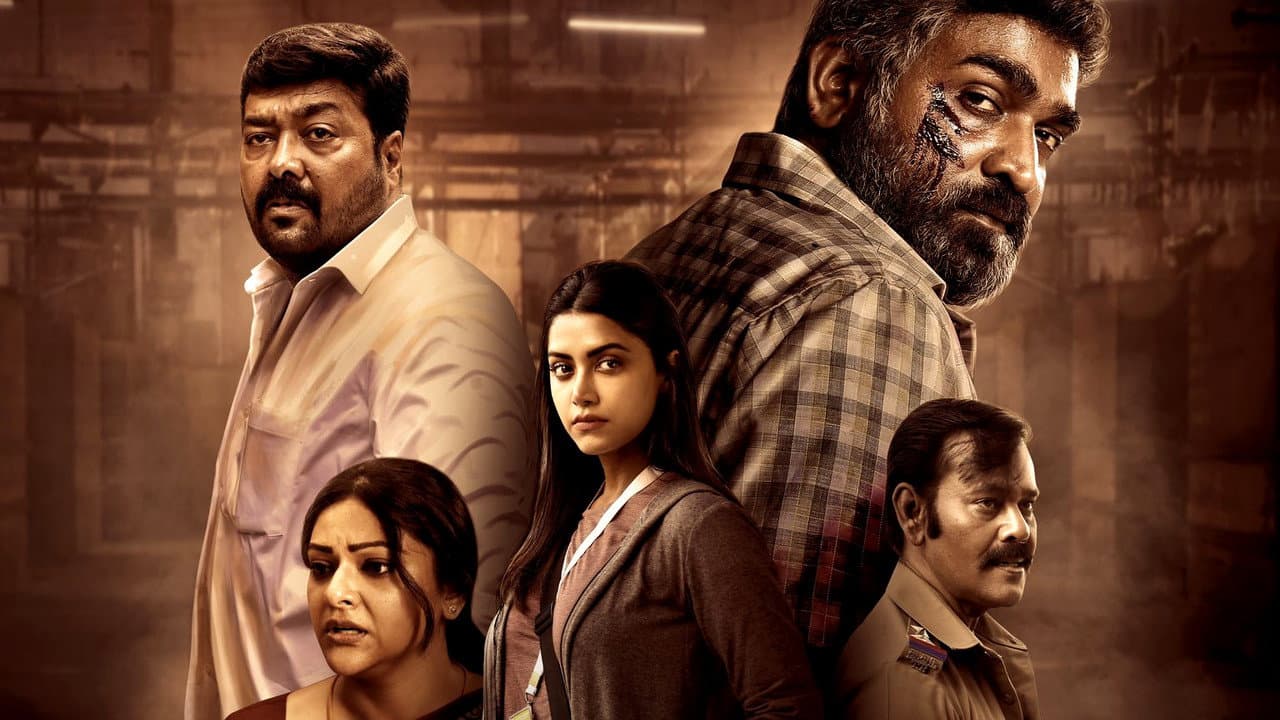
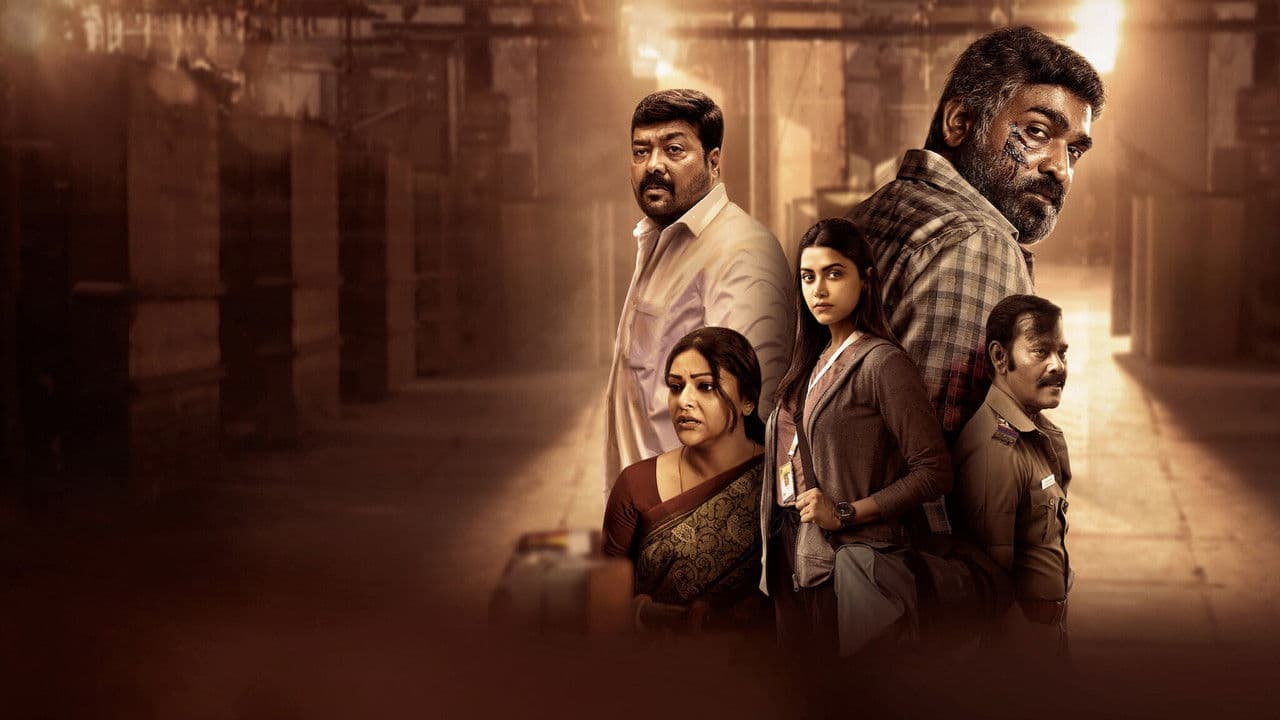
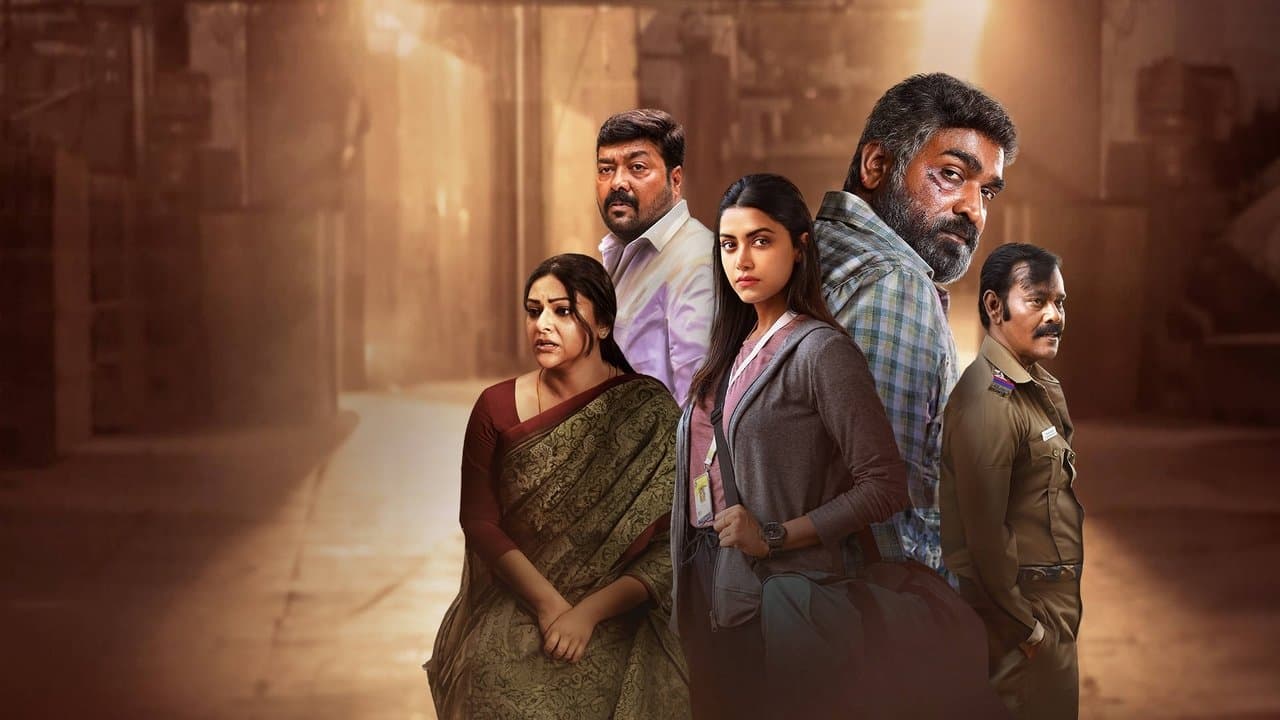
Nithilan Saminathan has crafted a thriller that respects its audience’s intelligence. The structure is deliberately fragmented, jumping between timelines and perspectives, but never feels chaotic. Each scene is a breadcrumb, planted with precision. The mystery of "Lakshmi" is the central hook, and the film plays fair: the clues are there, but you won’t piece them all together until the devastating final act.
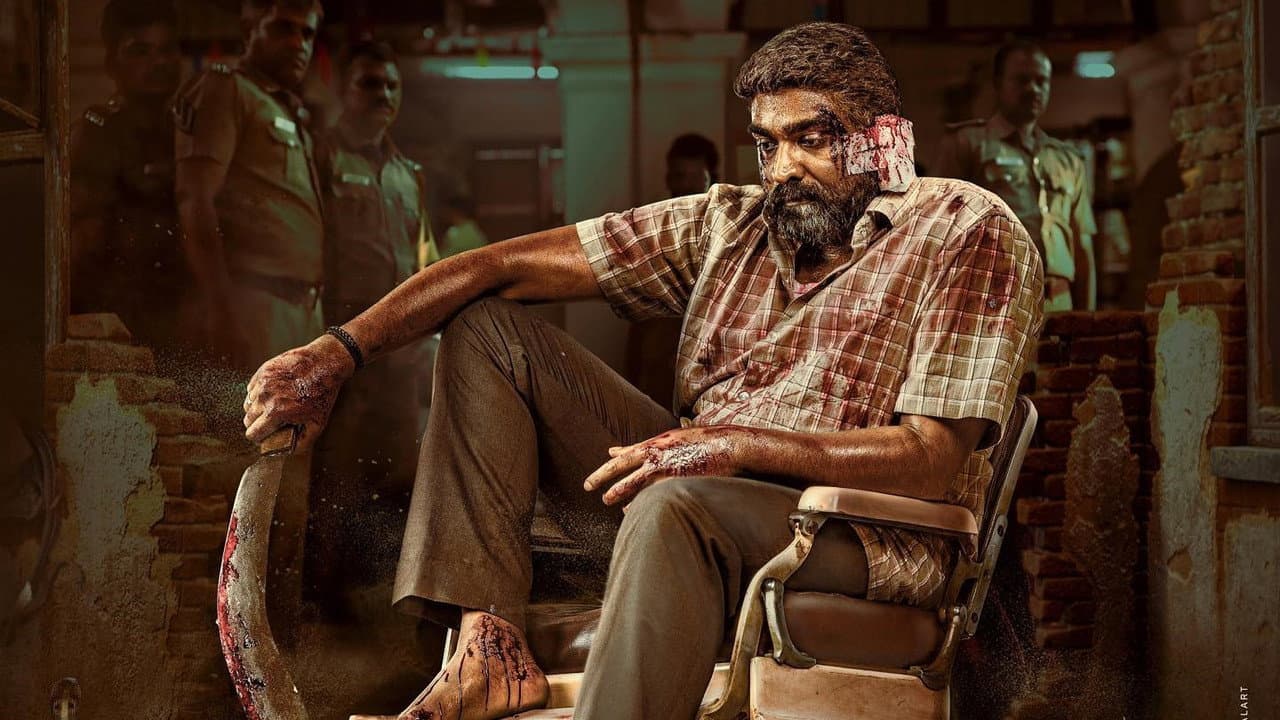
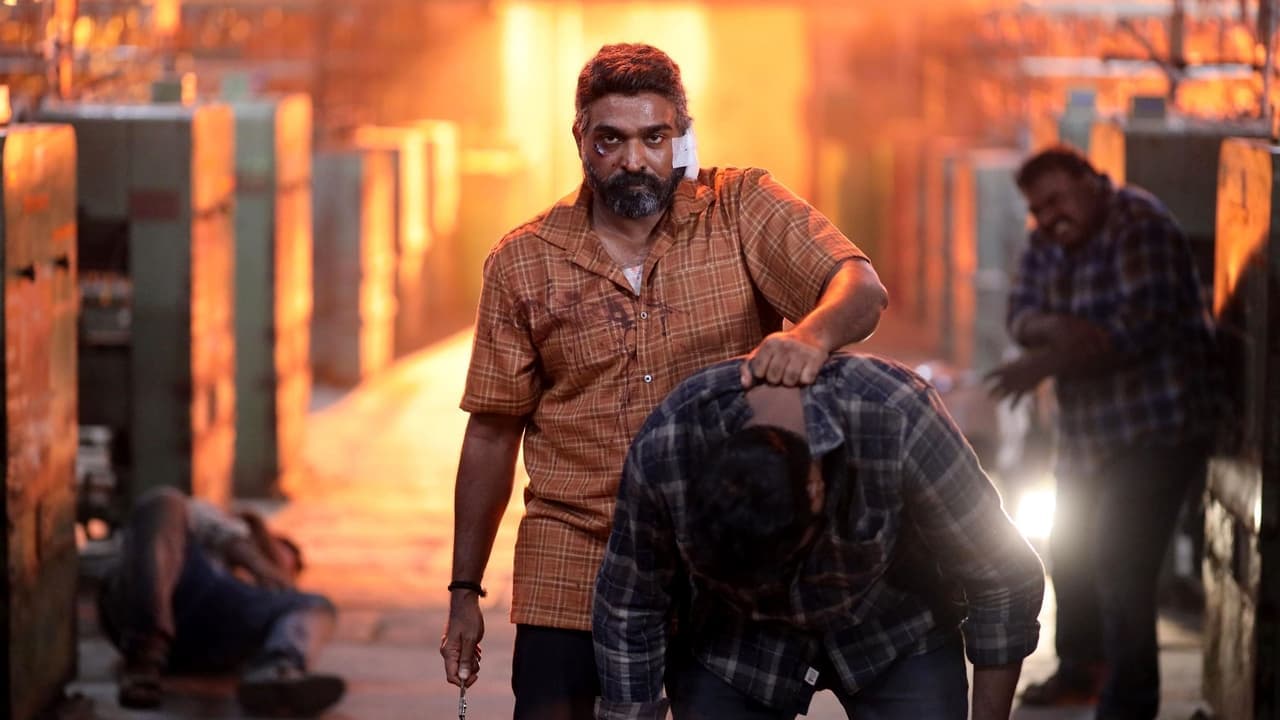
Vijay Sethupathi is extraordinary. He plays Maharaja with a quiet stillness that slowly transforms into a coiled fury. Early on, his character seems almost pathetic-a simple man, fighting a losing battle against an apathetic system. But Sethupathi’s eyes carry a deep, haunting sorrow that hints at more. When the action finally erupts, it is brutal and earned, not gratuitous. His physicality shifts; you believe he has been saving every ounce of rage for this moment.
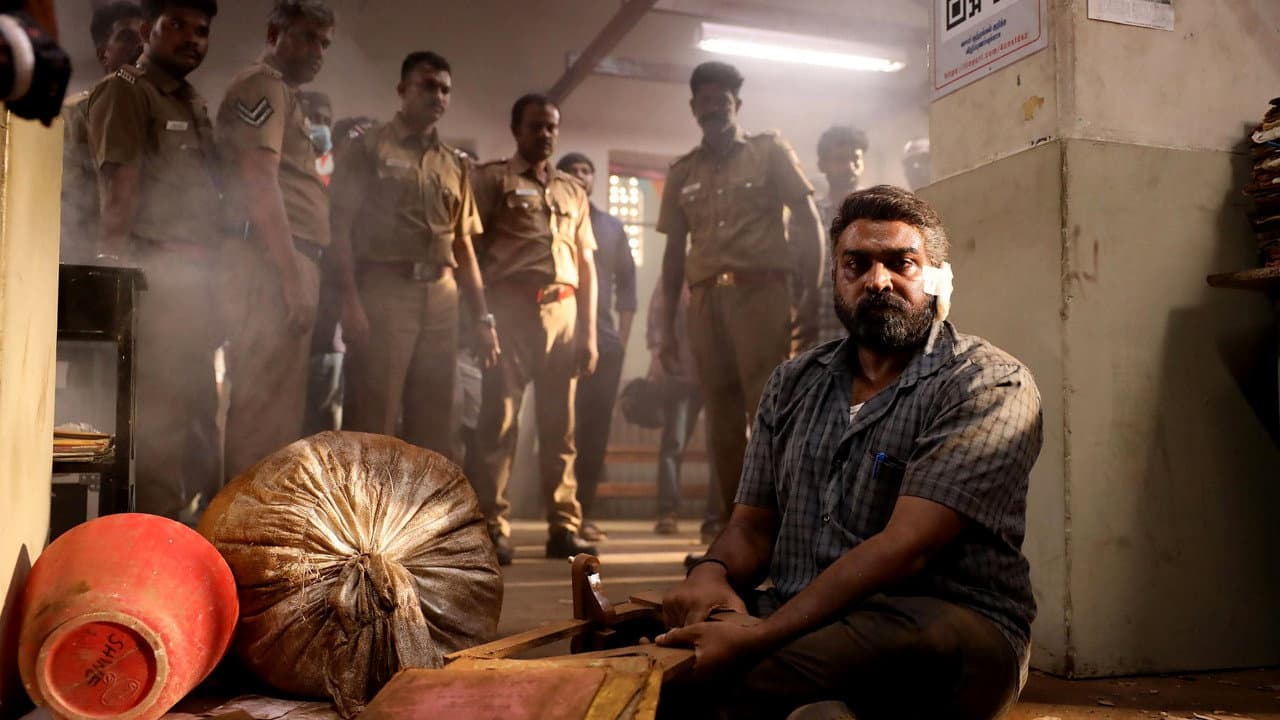
The supporting cast is uniformly strong. Anurag Kashyap, as the antagonist Selvam, brings a cold, intellectual menace that contrasts beautifully with Maharaja’s raw emotion. His scenes with Sethupathi crackle with tension. Natarajan Subramaniam’s Inspector is a highlight-a weary, cynical cop whose gradual shift from dismissive to horrified mirrors the audience’s journey. Mamta Mohandas and Sachana Namidass have smaller roles but deliver key emotional weight, especially in flashback sequences.
The film’s real triumph is its screenplay. The dialogue is spare but potent. There is no exposition dump to explain the central mystery. Instead, the truth unfolds through visual storytelling, subtle character beats, and a few genuinely shocking narrative pivots. The non-linear editing, by Venkat Raajen, is masterful; each jump cut or flashback feels like a missing puzzle piece clicking into place.
That said, the pacing may frustrate some. The first hour is deliberately slow, building atmosphere and establishing character. The jeering police scenes, while thematically important, can feel repetitive. And for a film with "Action" as its first genre, the actual set pieces are few but impactful-they are short, brutal, and visceral, not extended ballets. The climax, however, is a masterclass in tension. It is a single, extended sequence that answers every question while delivering a gut-punch of emotional devastation.
Cinematographer Dinesh B. Krishnan uses a grimy, naturalistic palette, favoring handheld cameras and tight framing to create unease. The sound design is equally meticulous-silence is deployed as a weapon, making the sudden bursts of violence or dialogue hit harder. The music by B. Ajaneesh Loknath is understated, supporting the mood without overwhelming the narrative.