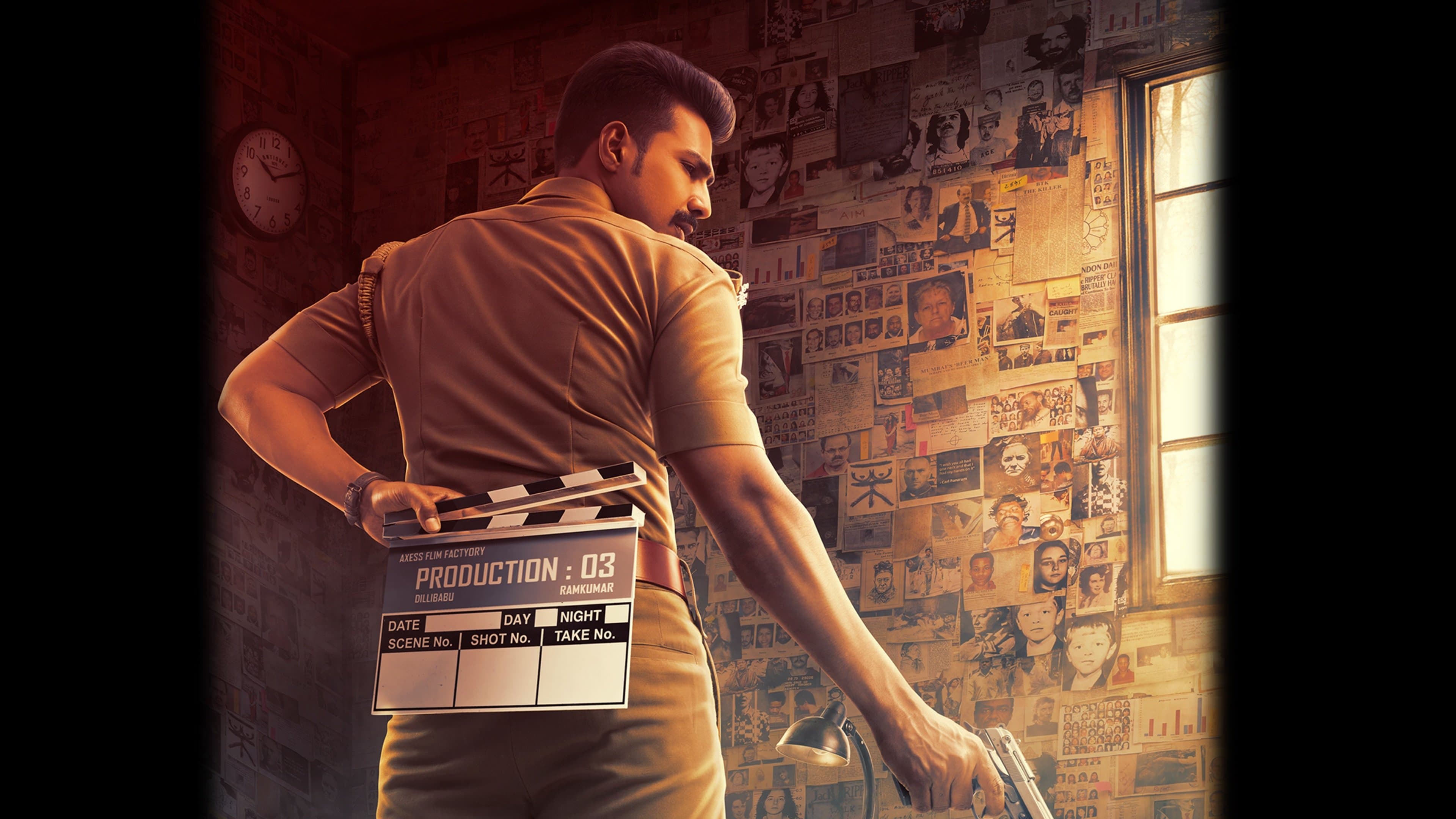
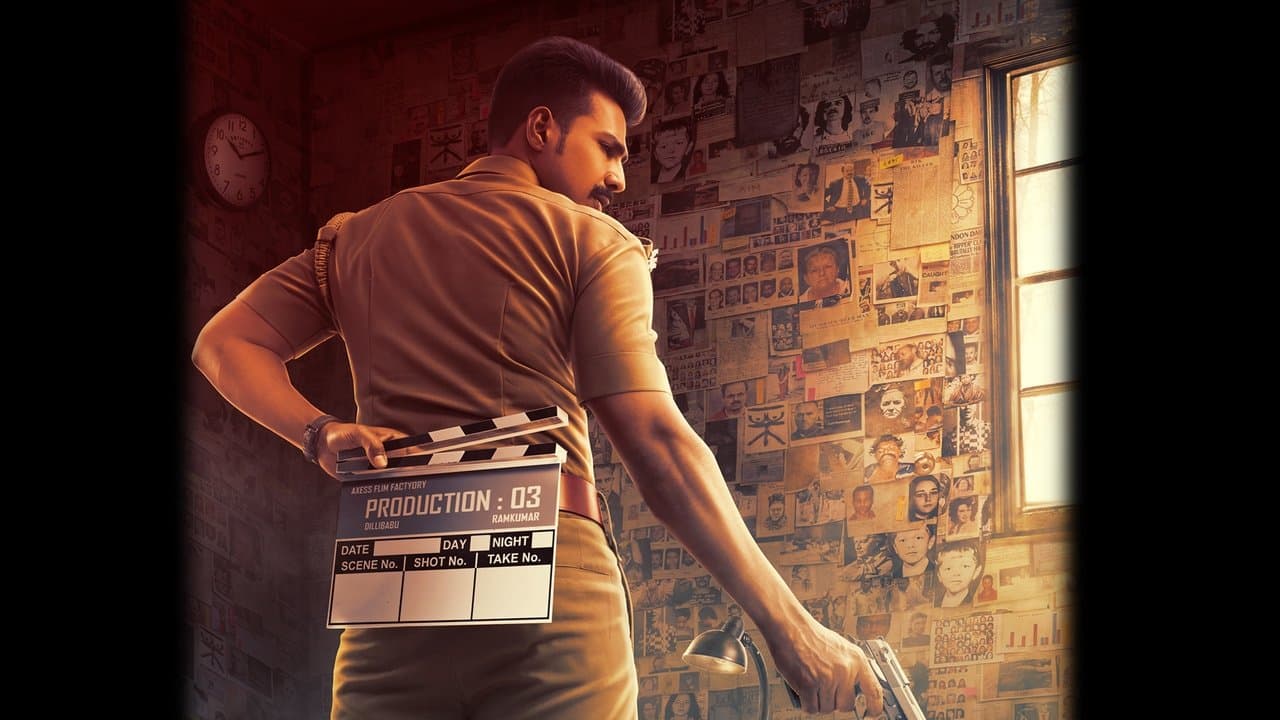
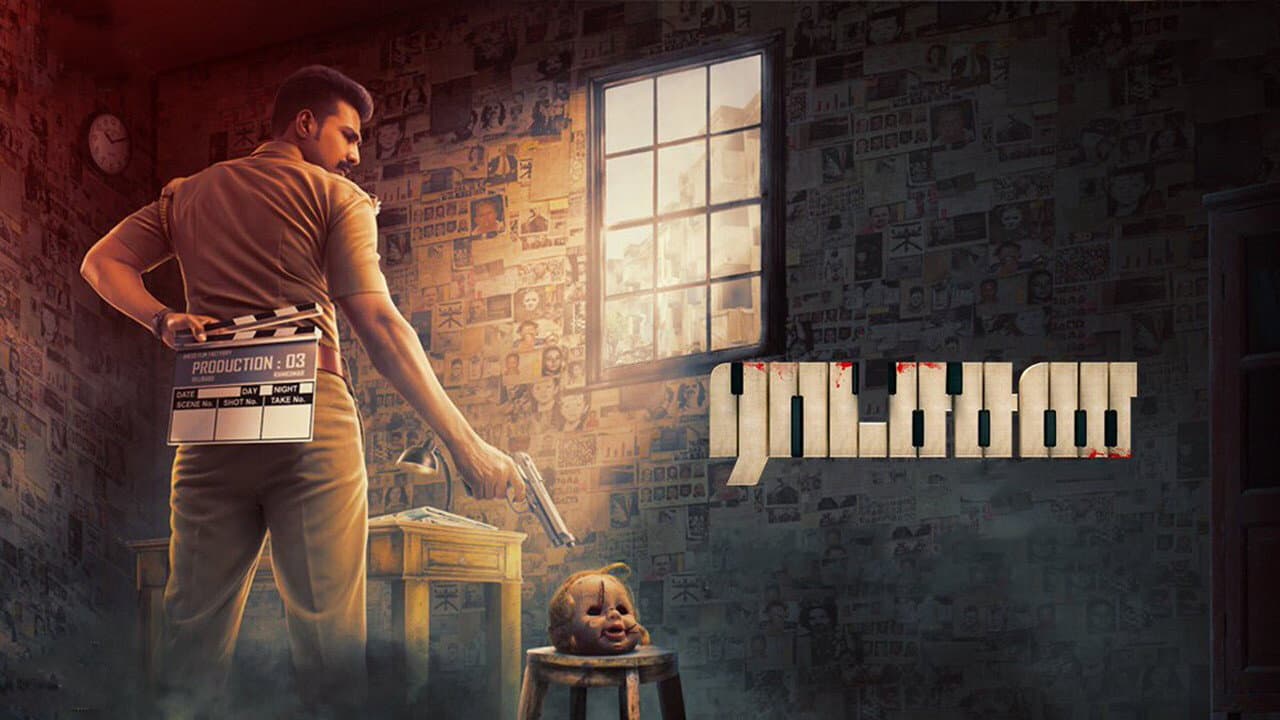
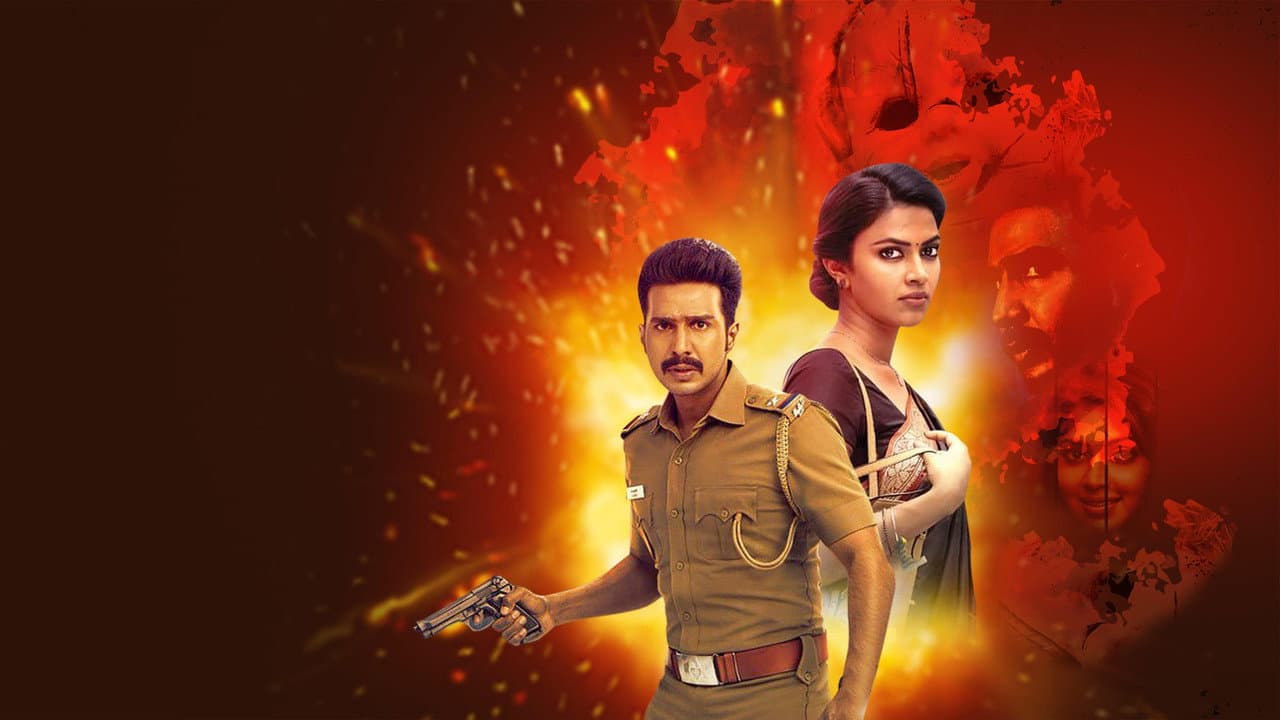
Where do you even begin with Ratsasan? This is a film that demands your full attention-no phone scrolling, no bathroom breaks. Director Ram Kumar, who also wrote the screenplay, understands that the most effective horror is the kind you don’t see coming. He employs long, silent takes that build dread; a simple shot of a staircase or a deserted corridor becomes menacing. The sound design is phenomenal-every creak, every whisper, every sudden cut of silence amplifies the tension.
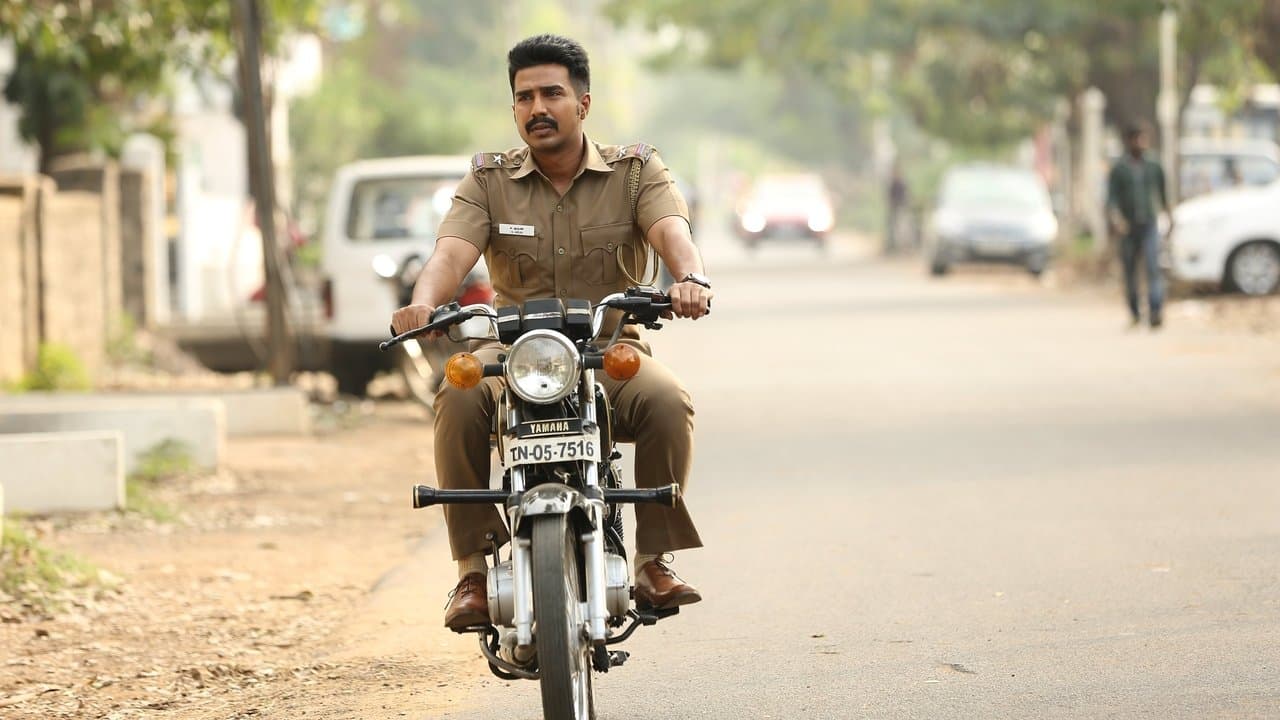
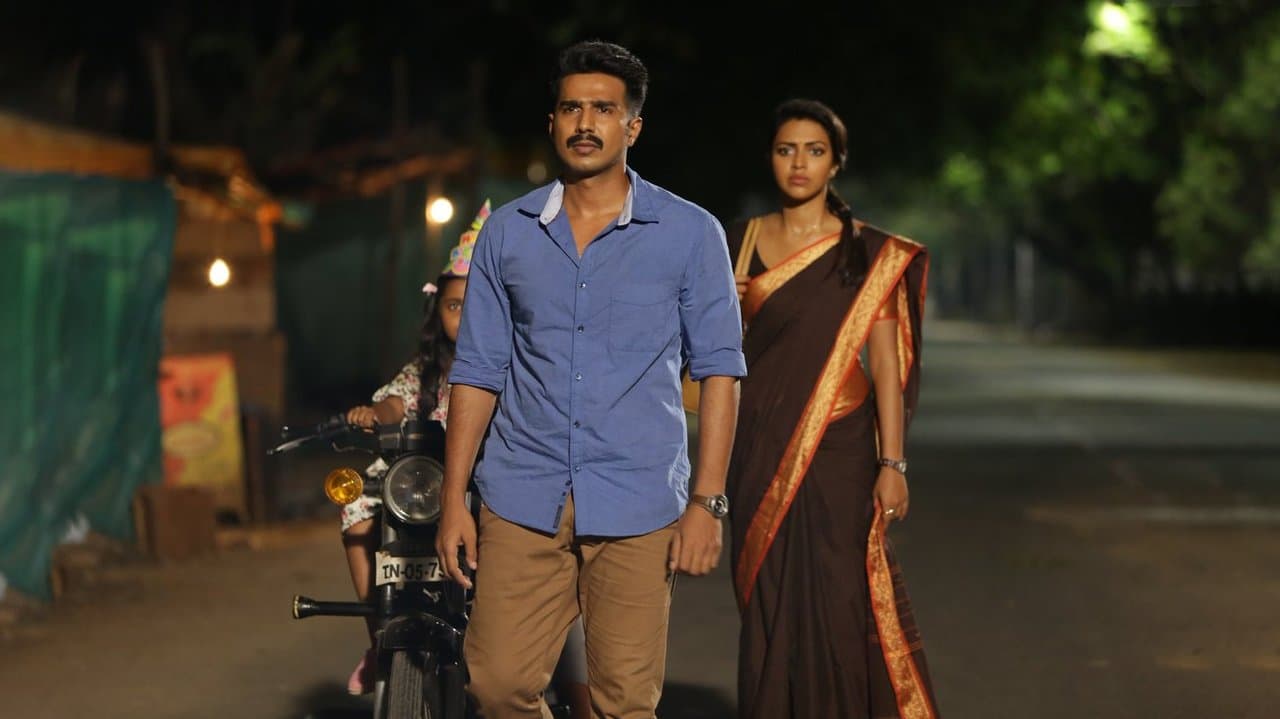
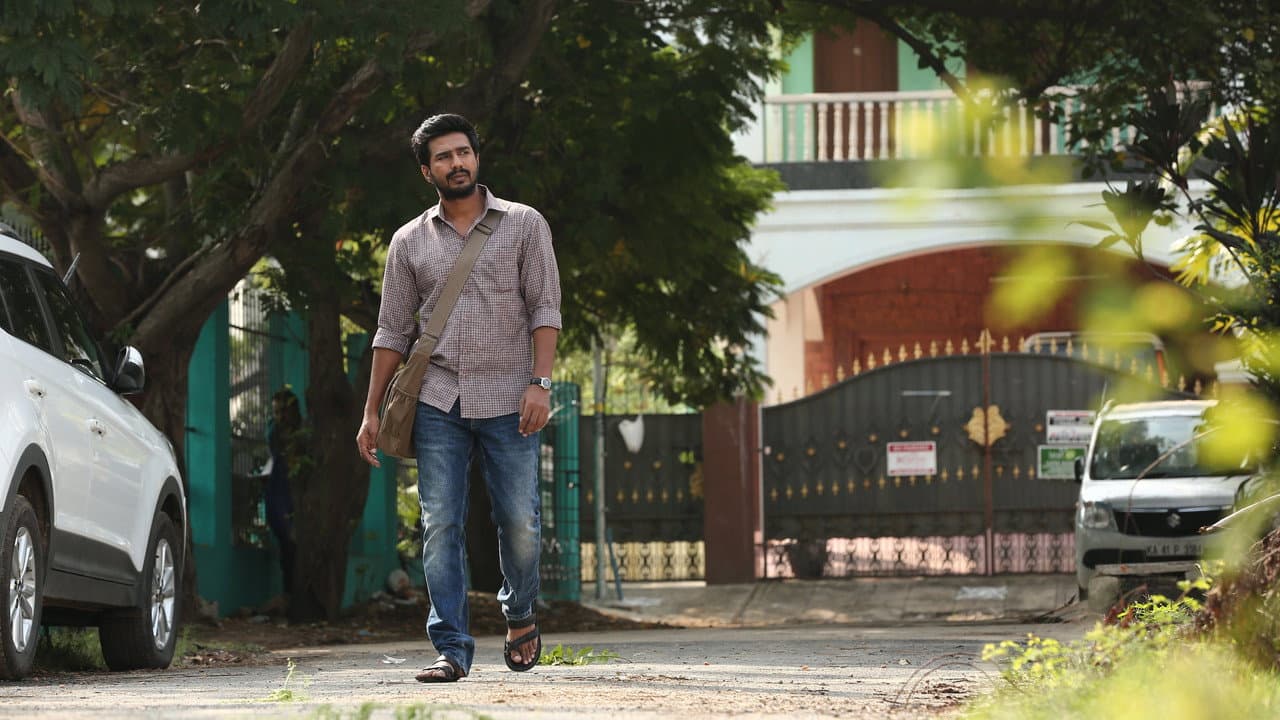
Vishnu Vishal is the soul of the film. His Arun Kumar is not a supercop. He’s a man carrying grief, who fumbles, gets emotional, and makes mistakes. The scene where he breaks down after finding a victim’s body is raw, unglamorous, and painfully real. Amala Paul, as his love interest Viji, has a small but crucial role-she’s the film’s emotional anchor, grounding Arun when he spirals. Suzane George as ACP Lakshmi brings a steely authority that never wavers.
But the real MVP is the villain. Without spoiling, the killer’s identity and backstory are revealed with unsettling psychological depth. This isn’t a cartoonish monster; it’s a portrait of a broken mind that feels disturbingly plausible. The actor behind the mask delivers a performance that will haunt you-a mix of childlike vulnerability and cold-blooded rage.
The runtime is a double-edged sword. At 170 minutes, the film could have trimmed 15 minutes from the middle act. Some subplots-like Arun’s filmmaking past-are underdeveloped. Yet, the length also allows the tension to simmer. You live with the characters, feel the exhaustion of the investigation, and dread each new night.
Technically, Ratsasan is superb. The cinematography by P. V. Shankar uses tight frames and shallow focus to isolate characters, making you feel as trapped as the victims. The music by Girishh Gopalakrishnan is used sparingly, which is a relief in an era of overbearing scores. The climax chase through the college building is a masterclass in suspense-no music, just the sound of footsteps and ragged breathing.
Some might argue the violence is too graphic. And yes, it is. But it’s never gratuitous. The film respects its subject matter; it doesn’t show the murders in exploitative close-ups. What you hear-and what you imagine-is far worse. That restraint is what elevates Ratsasan from a conventional thriller to a genuinely disturbing piece of cinema.